

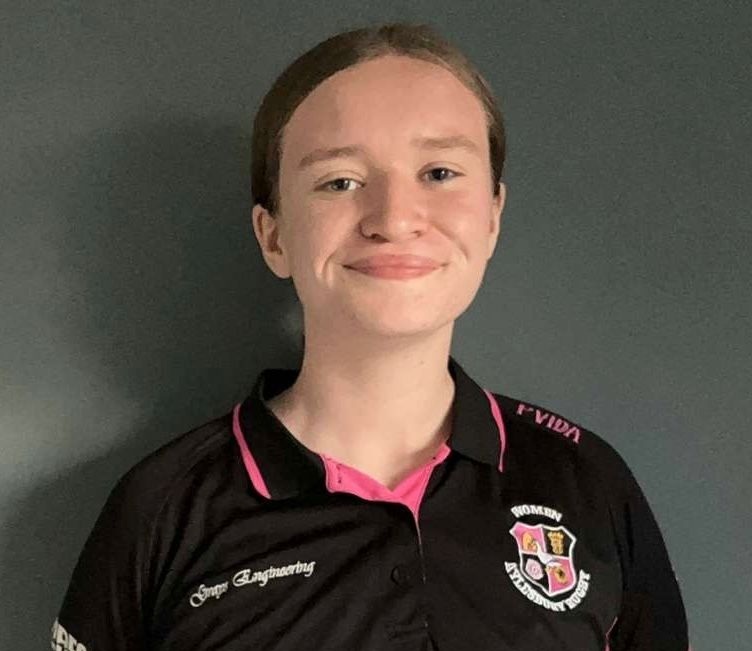
Toni Addison - Club Women's Captain - Aylesbury Rugby Football Club
2 July 2026
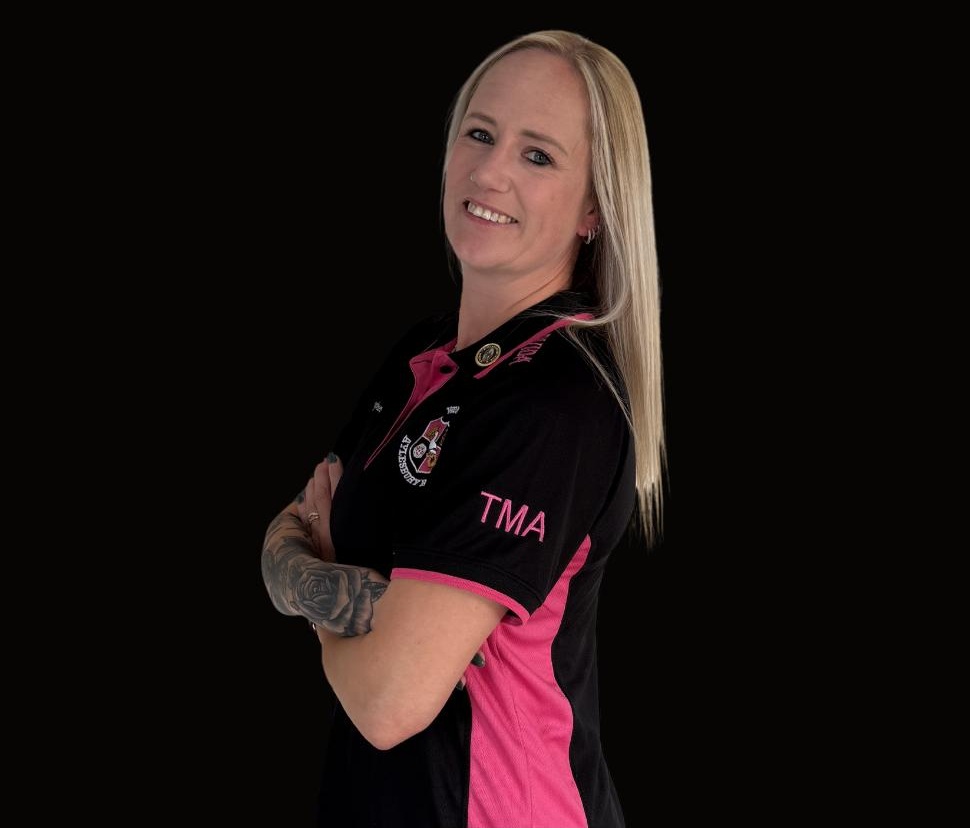
- Becoming the Club’s Women’s Captain is a significant an honour. How did you feel when you were first told?
I felt very honoured to be asked to step up to such a significant role not just as women’s team captain but as club captain too. I have been a part of the women’s team since it first started as inner warrior so to see how far they have come over the years has been a real pleasure to be a part of
- I am sure you would like to start by saying a few words about your predecessor, Johanna?
Johanna has been an inspiration to me both on and off the pitch. She has barely missed a game unless she has been injured but even then, she always shows up to support her team. Her commitment to her own strength and condition training in the gym is real awe inspiring and she has been a fantastic captain to the ladies and a real role model to the under eighteen girls who are moving up into senior rugby. I am proud to be stepping in to take over as captain and hope to do as good a job as Johanna has done. Johanna is still going to be a strong part of the team and continue to play when work commitments allow her to.
- What is the role and what impact can you have as Club’s Women’s Captain?
I have been a familiar face to many of the team throughout my time playing and I have always maintained a respect for all ages and abilities of players. Joining a rugby team for the first time either as a somebody who has played before or if it is a completely new experience can be quite daunting. Aylesbury ladies team pride ourselves as always being a friendly and welcoming team. I want to make sure I am always an approachable person to any players and both on and off the pitch and give them the support they need no matter what.
- Specifically, what do you hope to achieve this season on and off the pitch?
When we moved up to NC2 last season it was daunting knowing we were playing teams in a higher league and this was felt across most of the players at first. We soon came to realise though we deserved to be at NC2 level, and we fought hard in each of our games. Not one player ever hung their heads when the game did not go our way. This season I would like the team to be proud of the small achievements we have made together and continue to be the strong and trusting team that we are. I would like to see more confidence on the pitch as I can see what these ladies are capable of and sometimes nerves can get in the way. Off the pitch I would like to see some more social gatherings like meals out, fun days like a team building sports day for all abilities and I would like to see more of the team making suggestions on what they feel they would like to do so our social secs can start planning! I would like to see the team take accountability of their Rugby journey by maintaining fitness and strength so we can go into next season stronger, better, and faster.
- When did you start playing rugby and how did you get into it?
I first leant about rugby on a camping trip with friends! I had never even touched a rugby ball and had not got a single clue how the game was played! The friends I camped with had children who played at the club, or they were part of the coaching teams for the mini and junior’s sections. I enjoyed being taught the ‘laws’ and we even played rugby on a beach and in the sea which was so much fun! One of my friends who had a lot of input in the club at the time told me about the new ladies’ team being put together called ‘inner warrior’ and told me I should come give it a go. At first, I was not keen as I struggled with socialising with people I did not know. On the first training session she came to my house and picked me up and off we went. I was so nervous, but I soon realised everyone else who had come to try out rugby was in the same boat as I was and everyone was so friendly. So that is where my journey into playing rugby began and I have never looked back!
- When you first started playing rugby, what did you like, what could be off-putting and what surprised you most?
I enjoyed training and learning the game (I even bought myself a book called ‘Rugby for Dummies) but I think for me the real gem was the people, you cannot have a team without having trust, friendship, and laughter. My favourite part of playing is being on the pitch with likeminded people, but I must admit I may like the contact a little too much! I started playing as a centre and I have stayed in that position throughout my time playing. I think one of the most daunting things for me is the first time stepping onto the pitch, checking out the opposition, and having a slight fear of the unknown in how they play, are they a nice team or if they can be intimidating but the first hit and I was soon into the flow of the game. What surprised me most was just how much I enjoyed the game and the feeling the next day!
- What message do you have to those thinking of starting out on a similar journey?
100% do it! You really do not know what you are missing both on the pitch and off the pitch with your teammates. There is a saying which will sound cheesy but ‘always face your fears’ and do something that scares you every day. You really will not regret it. Rugby is a sport for all shapes and sizes, ages, and there is always a place for anyone wanting to give it a go.
- How do you think the women’s pathway is working at the Club and if it could be improved what would you do?
I feel we need to be more recognised as ‘one club’ and I would like to see as much support at the women’s games as the men’s games get. Women’s rugby is a different game but just as enjoyable to watch as men’s.
- What advice would you give to new players joining the squad?
Do not feel that you must know everything about rugby. You will learn along the way, you will get the support from the coaches and your teammates, and we all have the patience to help you on your journey. But I would encourage watching both men and women’s games and get an idea at what position you would think would suit you on the pitch.
- How are we doing with player development?
Last season we struggled a bit with team consistency in matches due to some being at university, work commitments, and family life which is just part of life when you play social rugby for a hobby. The end of last season saw a brilliant turn out in training and the fact we had the numbers to start a seconds team last season just sets us on the right path for a great season coming up and hopefully having more people come on board to play 1st and 2nd team rugby.
- Have the brilliant performances of the Red Roses had an impact on the squad?
Absolutely, the red roses are a real inspiration to woman’s rugby, and the fact Helena Rowland was from Aylesbury and is now a true Red Roses legend is phenomenal and gives all the youngsters at Aylesbury something to aspire to.
- We aspire to be one club, how are we doing with that?
Events that are aimed at families and both men and women to bring everyone together is something ARFC have always done. Summer parties and touch tournaments are always a good way to get the players and their families mixing and socialising. I do feel we could do so much more to bring the teams together by player led activities and ideas. The new padel courts have been a huge success with players, myself included!
- If you could wave a magic wand and change one thing what would that be?
Well obviously, it would be to win all our games, never get yellow cards, and always field a full team with impact players to spare!
- What game or moment are you most looking forward to this season?
I missed most of last season due to a shoulder and ankle injury, so I am looking forward to getting stuck back in but most importantly I am looking forward to leading a team of amazing ladies!
- What message do you have for the fans?
A huge thank you to those who give up their Sundays to come and watch us play at either home or away. The support really does set the atmosphere, and I believe having the crowd cheering us on gives us the confidence to keep our heads held high when we are feeling defeated!
Gaz Williams - Women's Head Coach - Aylesbury Rugby Football Club
13 August 2026
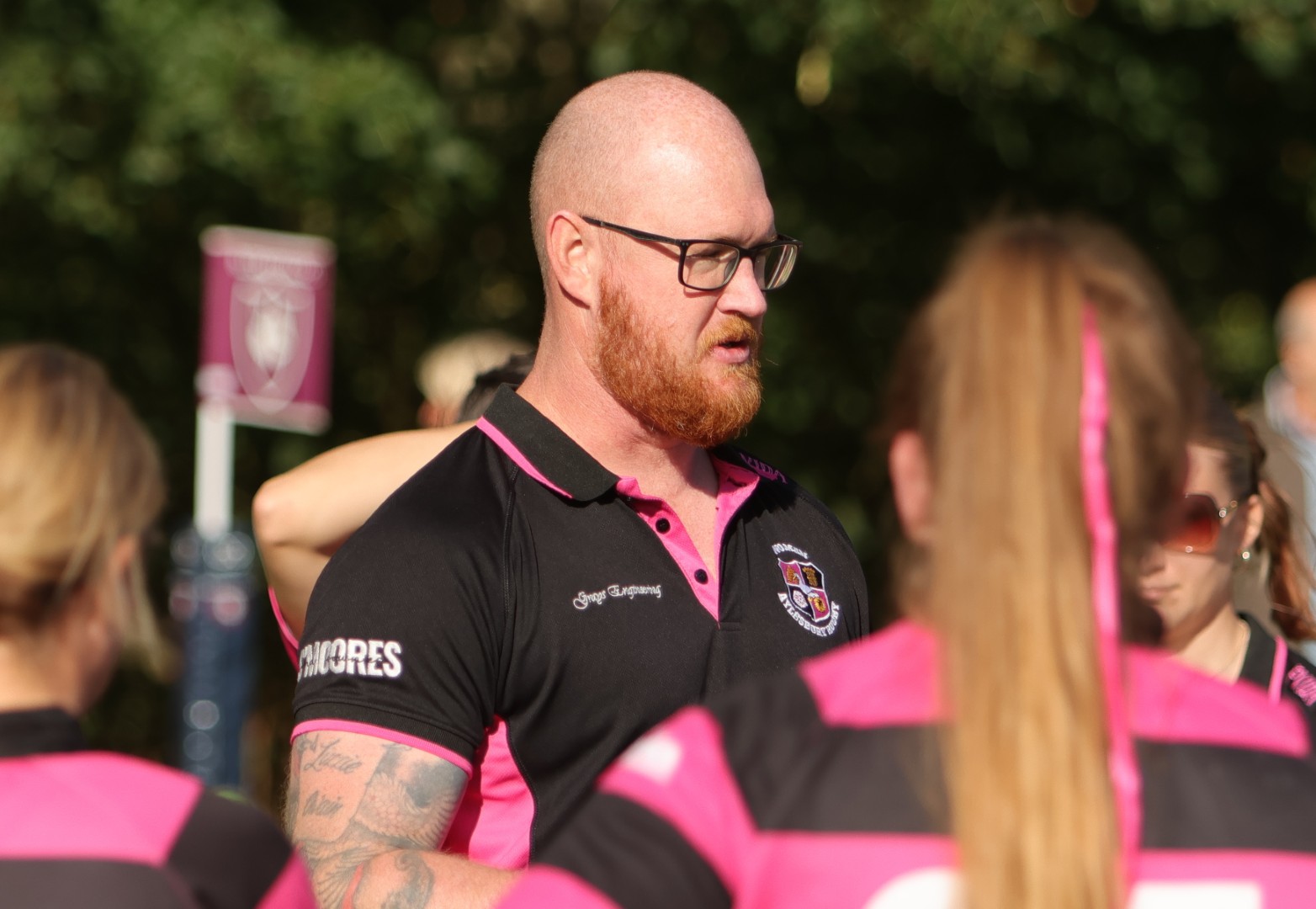
1. A good season for the women Gaz…
How would you sum it up?
The first time in the team’s history that the 1XV have achieved promotion up to NC2…grown the squad enough that we successfully managed to run a 2XV…3 newly qualified female coaches working with senior and age grade players…a clear and established pathway for the girls from u12 to senior rugby…I’d sum that up as successful!
2. What were your expectations at the start of the year, and did the squad meet them?
We knew the step up for the 1XV was going to be a big one both physically and with the standard of rugby. My goal was to prove that it was the right level for us and the team delivered. This season was not about finishing top of the league but starting the next phase of the 1XV’s development.
The creation of the 2XV was to ensure that there was rugby for everyone, and I don’t think there was a weekend that there wasn’t a playing opportunity available for anyone who wanted one.
It’s also our second year entering a 7s competition and I’m glad the women share my enthusiasm for the game.
3. What are you proudest of with this campaign?
The one thing that makes me proud of this team, year in and year out, is the positivity and spirit of the group. Win, lose or draw, they are a fantastic, welcoming squad. New players, opposition players, refs, coaches, supporters…everyone says how great this bunch of ladies is.
4. What was the toughest moment of the season?
For me personally, balancing work, a new baby, a 1XV, a 2XV and the u18s was a tough challenge! As a team, I think making the decision to scrap our game plan midway through the season and go back to the drawing board when it just wasn’t coming together was a tough call, but everyone trusted the process and the rugby the ladies played spoke for itself.
5. How pleased were you with the consistency of performance?
Consistency proved to be a hard thing to find this season! I don’t think we put out the same starting XV for a single game! We were competitive in all our matches against some strong opposition teams and played some great running rugby.
6. Did injuries or squad depth force you to change your approach?
Yes! We went through preseason with great strength in depth: 5 regular 1XV front row players and competition for all shirts but injuries and life in general seemed to be against us around Christmas time! We’ve been lucky to recruit some new players who have stepped up to the plate and get some of our stalwarts back from injury ready to go again next season.
7. Which players really stepped up this year?
I think you know me better than to ask me to single anyone out but the winners of the awards this year were well deserving as were the various others in the mix during the voting. Rugby really is a team game and everyone played their part.
8. Were there any younger or less experienced players who surprised you?
It takes a lot to surprise me! Our younger players coming through the age groups are a key part of the squad and it’s a real source of pride to see them progress to Senior rugby. This was the year that our original ATL girls “aged out” too so it’s a real sign of how the female side of the Club has grown.
9. How important was leadership within the squad and what was the atmosphere like in the dressing room this season?
As a member of the club safeguarding team, I feel it is important to point out I have no idea what goes on in the women’s changing rooms before and after the match 🤣 We are fortunate that there is a strong team ethos and a leadership group that keeps things ticking along. My goal is for a competitive environment but not to the point where the enjoyment is lost. The players do a fantastic job of striking that balance themselves.
10. What feedback have you had from the fans?
For me personally? Apparently, I need to speak up a bit on match day as they can’t hear me in Aston Clinton…
The crowds have grown and grown over the season and that atmosphere really boosts the confidence and more importantly the enjoyment of the players on the pitch. The women and girls are an integral part of this Club and it’s great to see that recognition building amongst the supporters.
11. What areas will you target for development next season?
Consistency from training to match day…we seem to be slow starters and sometimes leave ourselves a bit much to do in the later stages of a match…either that or we ask to play 85min matches.
12. What are the ambitions for next season?
Keep the 1XV on their trajectory of growing in experience and physicality. Another strong season at NC2 and a mid-table finish would be a great marker for the team.
Continue to grow the 2XV and ensure rugby is available for players of all ability and experience with a clear route to the 1XV for those that want a more competitive experience.
13. What message would you give the Women’s Team supporters heading into next season?
Filling the side lines with supporters in Magenta & Black, for both home and away matches will be a huge boost to the team. Bring the noise and enjoy some great running rugby!
Lee Irvine - Head of Senior Rugby - Aylesbury Rugby Football Club
13 May 2026
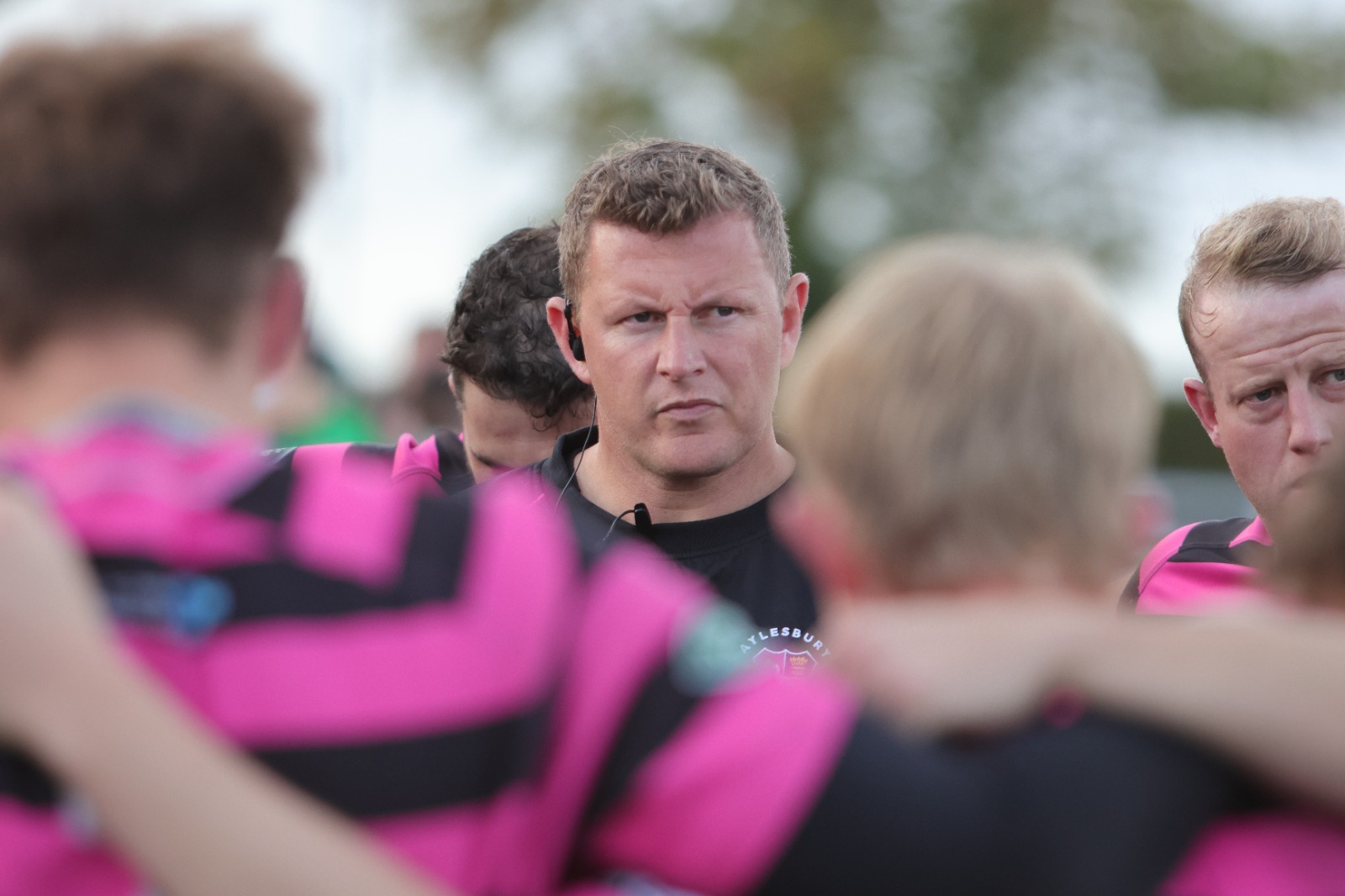
How would you sum up the season overall Lee?
Overall, I’d describe the season as one of progress, resilience and growth. We showed clear development in how we want to play, built stronger connections within the squad, and laid important foundations that we can build on moving forward. While there are always areas we want to improve, there’s no doubt we’ve moved the programme forward.
What were your expectations at the start of the year, and did the squad meet them?
At the start of the season, the focus was on raising standards, improving consistency and developing a clear identity in how we play.
In many ways, the squad met those expectations — particularly in terms of buy-in, effort and progression. Where we fell slightly short was in turning performances into consistent results, which is the next step for us.
What are you proudest of from this campaign?
What I’m most proud of is the culture we’ve built. The players have shown:
- Real commitment to each other
- A willingness to learn and improve
- A strong connection between senior players and emerging talent
That environment is what ultimately drives performance, and we’ve made big strides there.
What was the toughest moment of the season?
Like any season, there were moments where results didn’t reflect the work being put in. The toughest periods were when we had back-to-back setbacks, but what was pleasing was the way the group responded — there was no drop in standards or attitude, which says a lot about the character in the squad.
How pleased were you with the consistency of performances?
We showed glimpses of very strong performances, particularly when we executed our game plan well. However, consistency is still an area we need to improve. The gap between our best and our average performance needs to close — that’s a key focus moving forward.
Did injuries or squad depth force you to change your approach?
Yes, at times we had to adapt. Injuries and availability meant we needed to:
- Rotate players into different roles
- Adjust our tactical approach week to week
That said, it also created opportunities for others to step in, which has ultimately strengthened the squad depth.
Which players really stepped up this year?
Rather than singling out individuals, I’d say we had a core group of leaders and performers who consistently drove standards.
Equally important were those players who stepped into bigger roles when needed — that collective contribution has been vital.
Were there any younger or less experienced players who surprised you?
Absolutely. We’ve had a number of younger players who have:
- Stepped up physically
- Adapted to senior rugby quickly
- Shown real confidence and intent
There were 10 colts who made their senior debuts this season – a proud moment for the club. That’s really encouraging for the long-term future of the club.
How important was leadership within the squad and what was the atmosphere like in the dressing room this season?
Leadership has been crucial. We’ve worked hard to build a group where leadership is shared, not just positional, and that’s had a big impact.
The environment in the dressing room has been:
- Positive
- Honest
- Accountable
There’s a strong sense that players are working for each other, which is exactly what you want.
What feedback have you had from the fans?
The feedback has been really positive. Supporters recognise:
- The effort the players are putting in
- The direction the team is moving
- The style of rugby we’re trying to play
There’s a real sense of connection building between the team and the supporters. Our very own Director of Positivity (DOP) has played his role this season 😉.
Did the team improve in all the areas you targeted?
We’ve made good progress in several key areas, particularly:
- Our structure in attack
- Ability to win those tight games by staying in the fight
- Physicality and intent
There are still areas to develop, but the trajectory is positive.
What area still needs the most improvement?
Consistency. At this level, the difference between winning and losing is often small, and being able to deliver our game consistently under pressure is the next step for us along with strengthening our defensive system.
What are the ambitions for next season?
Our ambition is clear:
- Be more consistent
- Turn performances into results
- Compete at the top end of the league – a top 4 finish!
We want to be a team that is difficult to play against every week, regardless of the opposition.
What changes do you intend to implement for next season?
We’ll look to strengthen the support structure around the squad, ensuring players have the best possible environment to perform and develop.
What message would you give supporters heading into next season?
Stick with us. There’s a clear direction, a committed group of players, and a real belief in what we’re building.
We’re not far away — and with continued support, we’re confident we can take the next step as a club.
Blair MacGillivray – Club General Manager – Aylesbury Rugby Football Club
29 January 26

1. Can you tell us a bit about your background Blair and how you found your way to Aylesbury Rugby Football Club?
I had just sold an hotel I owned with my family beside Loch Ness when I was asked by a former employer if I would be interested in the role of General Manager at Stoke Mandeville Stadium. The offer was too good to refuse, so I had to park my idea of a 6 month sabbatical and started there in summer 2004. It wasn’t long before I bought a place in Fairford Leys. I joined Aylesbury Rugby Football Club that year playing for the Vets which, in those days, was a very good side.
The following year my company became sponsors under the Harpers Fitness brand who operated the Stoke Mandeville Stadium gym. It was then I joined the Club’s Exec Committee for 10 years on and off.
2. How did you develop a love for rugby?
I stated playing rugby at Lockerbie Academy out of hours if I remember, because the Head of PE was keen. However, I really got to love it aged 13 when I went to a private boarding school in Northeast Scotland. I ended up playing Junior Colts & 1st XV rugby there. It was almost a 6 day a week thing with training and playing.
After school most of my rugby was played in the Army but I also played 2nd XV and occasionally 1st XV Rugby for Edinburgh Academicals (both regular props were British Lions). After leaving the Army I played for Dumfries Rugby Club and during this time was selected for Glasgow. I have also played for the Highland Rugby Club in Inverness and for Rushden & Higham Rugby in Northants where I also played for the County.
I support the games at the Club as often as I can around my role. Rugby has been, and remains, a passion for last 50 years.
3. I hear you had an international career Blair – tell us about that please?
Not sure if I would call it that but I was coaching rugby in Zimbabwe in the summer of 1997 and was in right place at right time. I was asked to play for Zimbabwe Goshawks against Italy which of course I did! Sadly, we lost 35-37. It was an experience; played at altitude and on pitches that were rock hard.
4. If we wrote job description for the you Blair and if you were only given 5 bullet points to answer, what would it say?
- Make life as easy as possible for the Club Exec
- Ensure standards are much higher than your average Rugby Club
- Exceed Customer Expectations
- Increase Revenue and Profitability
- Flexibility when things need changing
5. Tell me about your team Blair, how you recruit them, what’s it like etc?
We have a great group of hospitality team members, but we are always interested to hear from anyone who wants to apply. Most, but not all, hospitality team members are recruited from within the Club members’ families. This makes it a close team. We try to be and hope people think we are a considerate employer. We pay above the minimum wage and provide everyone with an induction and ongoing training and support to help them do their job well. We have a good retention rate and I particularly enjoy to see some coming back to work in the holidays from college or university. We still have some who started as 16-year-olds during Covid serving tables when table service was the only option.
6. Which parts of your job do you love the most?
Income Generation to support Rugby.
7. What is the single most challenging thing about your role?
Trying to keep everyone happy.
8. What was the club like when you first came here?
Totally different. We have moved on a lot and grown organically to be what it is now. I am pleased to have been part of that both as a committee member and now as an employee (since 2018).
9. What have been the biggest changes since then?
The facility - it is chalk and cheese from when I arrived in 2004.
10. Some say you are like a stick of rock – why is that?
If you cut through my arm it would say Aylesbury Rugby Football Club.
11. What is it like working with volunteers?
Enjoyable but sometimes challenging. Having been a volunteer myself for many years I of course I appreciate everyone’s contribution. I read a sign recently in another Club which said ‘before you complain, when was the last time you volunteered’ – perhaps something we should look to post 😉
12. What initiatives are you working on to improve the membership experience?
Presently looking at what we can do around the Six Nations in respect of food and drink offering to hopefully enhance the experience. I want a great turnout throughout the competition as England should do well. Clearly, I hope that the Calcutta Cup goes back to where it belongs.
13. What’s your take on how the women’s game has developed at the Club over recent years?
I think it is fantastic and not something I would have envisaged. I hope it continues to grow. After my time at Stoke Mandeville Stadium I oversaw all the National Sports Centres and England Woman trained at Bisham Abbey where my office was and I grew a healthy respect for Woman’s Rugby there.
14. Do we have a good set of suppliers – who are the top 3?
Yes, we do. We get our all our Beverages from DAYLA who are our principal Sponsor and most, but not all, of our food from Waterdene whom we hope will start to look to for sponsorship. Chemex does our cleaning materials and they have a pitch board and also do some other Sponsorship.
15. What are the difficulties you face with stocking the kit shop?
As most of our kit is bespoke from Samurai there is long time delay in ordering. We must also manage our stock levels carefully. Sometimes it is well over £10k worth and this can have an adverse effect on cash flow. Often it is like playing Russian Roulette when forecasting sales by item.
16. Who chooses what drinks we stock and the food menu?
I would say that the members choose this as to what they like and is popular.
17. How many days a year do we hire out part of the club to help generate income?
We have a very strong pipeline on this, and we have something on pretty much every other day including in the summer. We are open 7 days a week and pretty much from 7am until close late in the evening.
18. Would you hire the Club for an event Blair and why?
Yes, as we give good value for money and provide a service that exceeds expectations. I guess that it why we have plenty of repeat business and word of mouth enquiries.
19. Can you give us some idea of the percentages from the main income streams you are responsible for Blair? (Bar, food, venue hire, kit shop etc)
Circa 80% - we are a hairs breadth from grossing over £1m altogether as a Club and that is a target we aim to reach and more.
20. What is your favourite memory since joining the Club?
On a rugby front, probably the 1st XV seriously stuffing Amersham and Chiltern at their ground about 15 years ago (unfortunately probably caused them to have a rethink). Also, the Vets tour to Toulouse (I think that’s where we went). It would be great to do another Vets Tour.
Receiving the ‘Volunteer of the Year Award in 2009’
21. If you had one message for the membership what would that be?
‘Ask not what the Club can do for you, but what you can do for the Club’. Also, the Club is there to be enjoyed, and we are open probably more than you think. Please do use the Club whenever you can, whether it be a weekday or weekend and come and support your team at the 6 Nations!
The First Half Chronicles – A Poem by Lee Irvine - Head of Senior Rugby
19 December 2025
In the heart of winter, where the pitch is our stage,
The Aylesbury men’s First XV took to the page.
With twelve games played, we’ve battled with zeal,
Won seven, lost five, but still kept it real.
Our forwards in glory, like lions on the hunt,
Yet some days, it feels we're just a bad pun.
The scrum's a fine dance, a chaotic ballet,
With props turning left when they ought to go "hey!"
Then there’s Mr. Tominey, our Director of flair,
A Gareth Southgate doppelgänger, beyond compare.
In suits sharper than blades, he struts with much pride,
But that hairline, oh dear, it’s quite clear it won’t hide!
He gathers us round, with tactics galore,
But sometimes we wonder, “What’s he scheming for?”
With wisdom and wit, he leads us quite well,
Though we secretly chuckle at his styling carousel.
Now let’s toast to the Second XV, our noble brigade,
Unbeaten and strong, they'll never be swayed!
With six games in hand and victories to boast,
They’re the toast of the town; we raise our mug first!
And how ‘bout the exec committee, sharp as a tack?
With meetings so serious, you’d think they’d cut slack!
From trophies to budgets, they handle it all,
Yet we can’t help but jest—they can bicker or brawl!
The Stella player leadership, so esteemed and grand,
With tactics to ponder, they’ve got quite the plan.
Yet in the huddle, when stress starts to rise,
We imagine them dancing, their secret disguise!
Training sessions lively, with numbers on the rise,
High spirits abound, with laughter and cries.
From faux pas on the pitch to banter so grand,
We aim for the fun in our glorious band.
And our club’s unique gem, the Director of Positivity,
With a role that inspires, bringing joy with much witty ( 😉).
They sprinkle good vibes like confetti in air,
But sometimes we joke, “Is there too much to bear?”
As we turn to the second half, the stakes are now high,
With hopes set on trophies, we’ll give it a try.
So let’s charge on together, through laughter and tears,
For the love of the game, we'll conquer our fears!
Aylesbury Rugby, you’re more than a game,
In friendship and glory, we carve out our name.
With each kick and each run, let’s cherish this ride,
For the joy that we find is our true pride!
Paul Casey – Club Volunteer Coordinator – Aylesbury Rugby Football Club
4 November 25
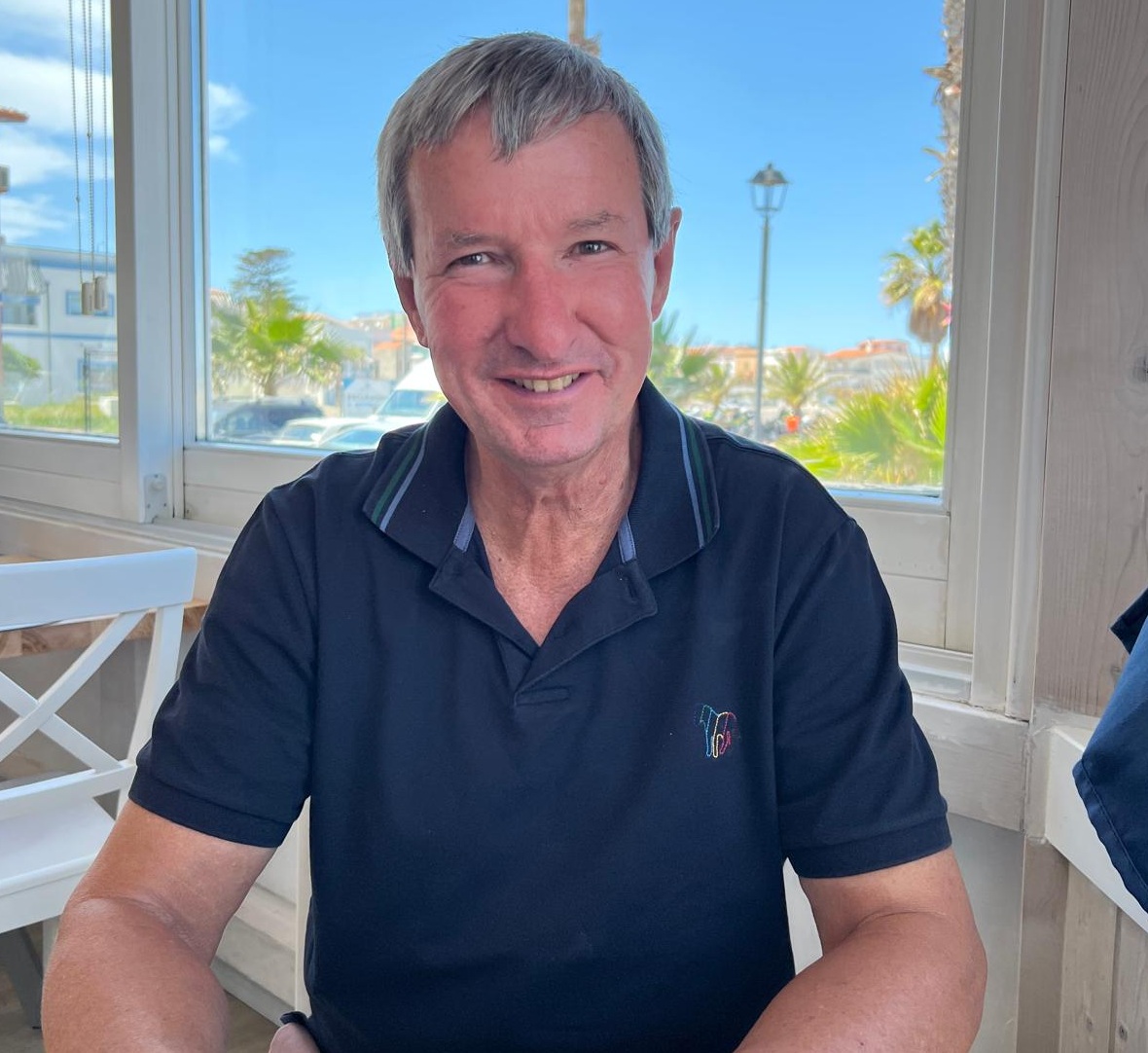
1. Can you tell us a bit about your background Paul and why you developed a love for rugby?
Sports mad from an early age! Started playing Rugby at school in 1971: back then we trained 4 days a week, with matches on a Wednesday afternoon and on Saturday mornings. Thankfully I really enjoyed my junior Rugby.
2. How did you become involved with our rugby club Paul and end up being the Volunteer Coordinator?
My background was military. In summer of 1997 I was posted to the Ministry of Defence and purchased a home on the outskirts of Aylesbury. I'd coached mini-Rugby up in Northumberland so pitched up on the first Sunday of September to continue with Aylesbury RFC Mini Section.
3. If we wrote a job description for the Volunteer Coordinator, what would it say?
Drive Club efforts to ensure we have sufficient qualified volunteers to enable our Club to provide an enjoyable Rugby experience for all comers. It would probably mention recruitment, recognition, reward and succession planning as areas to focus on.
4. How many volunteers do you currently oversee, and what types of roles do they fill?
Our Club is really fortunate to have such a deep pool of talented individuals who are willing to give their time and expertise to support all facets on Club development and management. We currently have over 120 members who undertake a very wide variety of tasks ranging from Coaching, Team Management, First Aid, Kit Shop and Tour Management, Grounds Support, Club Duty Officer, Communications and Social Media, Sponsorship, Club Administration, the excellent B-B-Q and Car Parking teams necessary to run major events at the Club such as the Bonfire Night last weekend.
5. How do you recruit the volunteers?
Much is done 'Word of Mouth'. If certain key roles require new volunteers I can reach out by GMS to our membership and then at Aylesbury RFC there is always a WhatApp Group to turn to for additional support.
6. What initiatives are you working on to attract more volunteers or improve their experience?
Training of Volunteers is important to ensure those willing are given the right "tools" and support to do a great job. Recognition and Reward at Club, County, and National level is also vital to demonstrate to the Volunteer cohort that their efforts are really appreciated and valued by the Club.
7. What are the hardest volunteer roles to fill?
I think the Youth and Club Chairperson and Director of Rugby roles are particularly demanding in terms of time and effort required. Thankfully the Chair positions were filled when I stepped up to be volunteer coordinator, and long may that continue! This year we have transitioned both our Membership Secretary and Grounds Support team, again we have been most fortunate to have willing and capable volunteers step up to fulfil these important roles. We are already looking forward to next season when additional Fireworks Coordinators for Bonfire Night may well be required.
8. What kind of people do volunteer for the club and what are the most common motivators?
Many volunteers are parents of players who start their Rugby in the minis. Others are former players who want to keep their close relationship with the Club alive. The key motivation is wanting to give back to the Rugby Community.
9. Are there any volunteers left active in the Club since you started with Aylesbury RFC back in 1997?
There are indeed! Julian Jones was a Junior Age Group coach back in 1997, Derek Spence was playing senior Rugby and helping out as a Referee as required. Tim Armstrong performed various volunteer roles and Gerald Evans and Mike Edwards have both helped in many ways to support the development and growth of our great Club. It's also most gratifying to see players I coached as minis progressing into senior Rugby, and now themselves involved with coaching and supporting our Club in other ways.
10. Of the multitude of the volunteer groups, the mini and junior coaches must be the unsung heroes – which other groups deserve that honour?
All volunteers play their part in moving Aylesbury RFC forward. The volunteers that run our 16 separate Age Groups across the Junior Section certainly deserve a massive shout out for their weekly efforts across the whole season. I would also mention the groups that run Car Parking, manage our Grounds maintenance, run the B-B-Qs and organise and manage our successful Summer Touch initiatives as "unsung heroes".
11. Don’t you also raise money for the Club?
In May I volunteered to run Fundraising from a Club perspective. This in no way detracts or interferes with the excellent fund raising done by individual Age Groups to support their Tours or other particular projects. This season our Fundraising focus is to support volunteer costs. Each season we will select a suitable 'cause' and raise monies towards that endeavor.
12. How much money have you raised for the Club since you started and what were the largest 3 items?
I started in 2023 and together we have raised a little over £20,000. Our Club Treasurer had the excellent idea of promoting the "Easyfunding" initiative which has the potential to raise regular amounts for our Club. Our three largest projects have been the 'This Women Can' initiative funded by the RFU, the Replacement Mower scheme supported by Sport England, and just last week we were informed that we have been selected for a Volvic Future Fund award to promote female Rugby at our Club.
13. How do you hear about these fund-raising opportunities?
I tend to glance at Websites that regularly support Rugby initiative such as the RFU, and Allianz Future Fund. People also send me links for projects for which I'm more than happy to submit on behalf of our Club. My "strike rate "success isn't great, but it costs nothing to submit bids so happy to pull bids together.
14. What is the most challenging thing about your role?
Trying to encourage those who have never volunteered that it's well worth their effort. There are many that step forward every time there is a call for help; it would be really nice to see a few new faces step up, as we did at this year's Bonfire Night.
15. What do you enjoy most about being Volunteer Coordinator?
Relaxing with a beer after a major event has been successfully concluded! Getting positive feedback from visitors and members alike after an event is also much appreciated.
16. What are your favourite memories since joining the Club?
I have a great deal of happy memories at Aylesbury RFC. My favorites are undoubtedly from the six Tours we did from Under 10s to Under 15s: Bath, Bristol and Leeds with the Minis, and France, Ireland, Belgium and Holland with the Juniors. Hard work but great fun and a real chance for the squad to bond outside of training and playing Rugby.
17. What advice would you give to someone interested in taking on a similar role?
I would encourage them to have a chat to understand the scope of the role, and time necessary to undertake the various tasks. The great thing about volunteering at a Rugby Club is that time required during a season can be a little as a few hours on one particular day, all the way through to a commitment that can run to 20 hours per week. Understanding where you would be comfortable on that spectrum of effort is key.
18. Are there any upcoming events or initiatives where you’re looking for extra help?
The England Schools Rugby Semi Finals weekend, usually early March, is a really busy time that sees over 1200 visitors to our Club. "All Hands On Deck" to support this weekend is important. The Mini and Junior Festivals we run at Aylesbury are recognised as the best run events in the region, again many volunteers are needed to ensure these well attended events run smoothly. Occasionally we struggle with our nominated Club Duty Officer dropping out, having a reserve list to call on in time of need is greatly appreciated so do reach out to me if you can cover this one-off task.
19. What would you say to someone who’s thinking about volunteering but isn’t sure where to start?
Drop me a line on jpcasey65@gmail.com or on WhatApp 07596950404 and let's explore which of the many 'volunteer options' would be the best for you. You will not regret volunteering; our great Club needs you!
Sarah Stevens - Club Safeguarding Officer & Men's 1st Team Manager - Aylesbury Rugby Football Club
8 October 2025
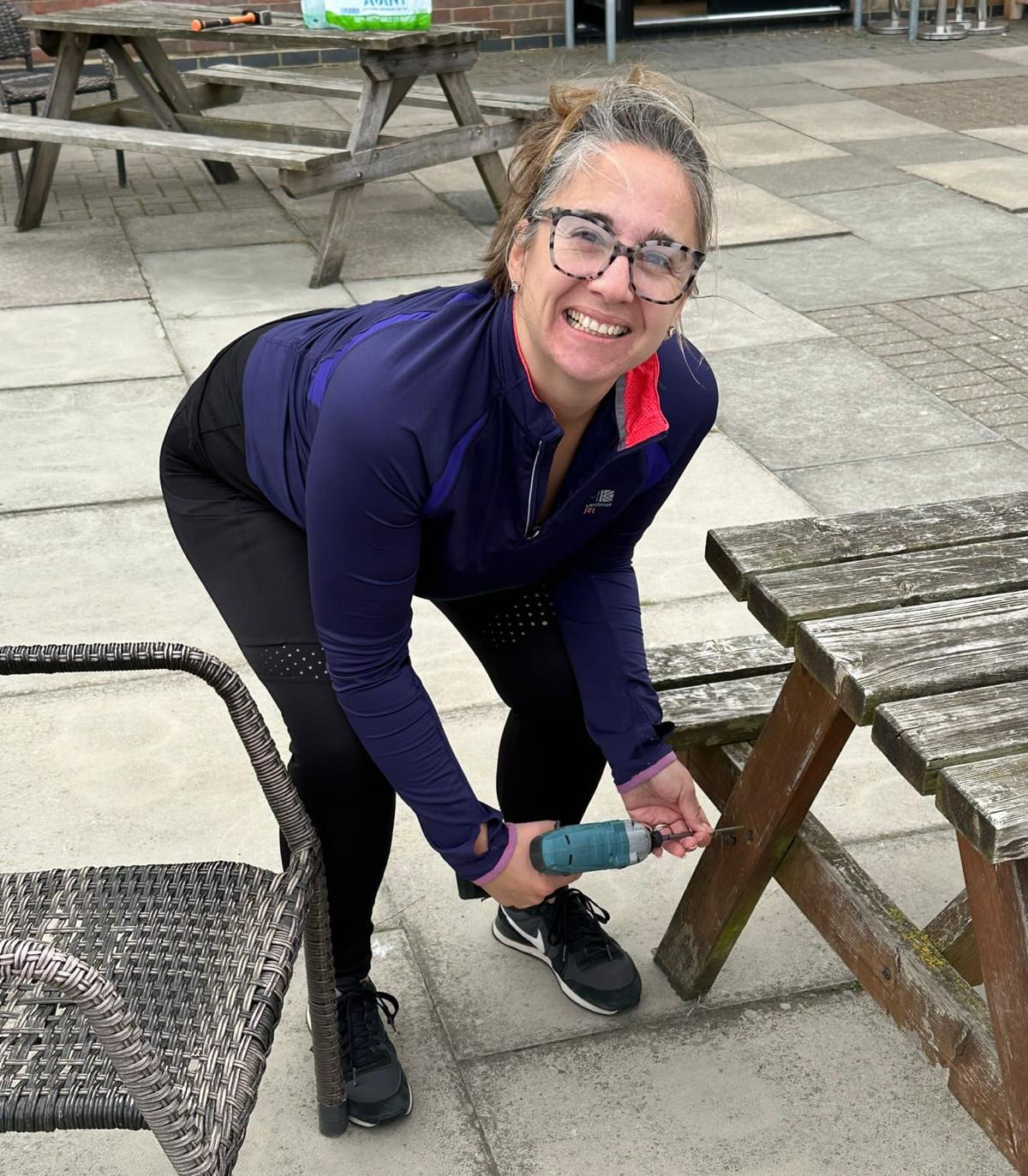
1. Sarah, the contacts page of the website simply says ‘safeguarding’ against your name. Please tell us about your responsibilities.
I am the ARFC Club safeguarding officer, so my responsibilities are to support the rugby club community with ensuring a safe environment for children and at-risk adults, to enjoy their rugby in.
2. Let’s talk about the safeguarding first. Why is it important we have someone in your role – is it just a legal thing?
The RFU regulations, particularly regulation 21, as well as 9 & 15, exist to ensure that rugby is as safe as it can be for children. It is important that the rugby club community have a point of contact for any concerns or queries that may arise. That person should understand how to act in the event of a safeguarding concern arising, as well as be able to support children, families and volunteers in a sensitive, professional and understanding way. I also work with the other safeguarding team members on ensuring that volunteers coming in to contact with children all hold a current DBS.
3. What qualifies you to do this important job?
I have completed all the training from the RFU required for the role, but my day job is Executive Principal for a Multi Academy Trust, overseeing a group of schools for students with special educational needs and those who have been permanently excluded from school. I have 23 years of contextual safeguarding experience with my job that is really useful for my volunteer role.
4. Are you able to give us an idea of the frequency and types of
assistance you give at the club?
On average it adds up to about 1-2 hours a week, but some weeks it’s much less and some much more. I take phone calls from club members who are concerned about a child, or about how an adult is behaving and want a bit of advice. I meet with parents, coaches and other club members to resolve any issues. I support the coaches with advice and practical solutions to support children who have additional needs such as Autism or ADHD.
5. There must be elements of conflict resolution – tell us a bit about that?
Usually, it is just about making sure people feel heard and reminding people about the TREDS values and that we are all volunteers! I work with coaches and families on understanding the problem and coming up with advice and solutions, with the end goal always being to ensure the child can safely enjoy their rugby.
6. Who and how are interventions initiated and how do people contact you?
Anyone involved with the club is welcome to contact me for advice and support and my details are available on the website, as well as on posters around the club. I will do my very best to support anyone who contacts me but ask that people remember we are all volunteers with busy day jobs too!
7. What role do parents have and how can they best support you?
Parents have an incredibly important role to play. Parents are an expert in their own child, and just as in school, where families and coaches work together, we get the best outcomes for the children. Everyone can support us by remembering we are all volunteers, doing what we do for the children, and by ensuring that they remember this isn’t the 6 Nations – it's a grass roots rugby community run by a dedicated team of volunteers.
8. What about coaches – they must be important in all of this?
Very much so, without them we wouldn’t be able to do what we do. There are some real unsung heroes out there quietly getting on with planning and delivering quality rugby sessions week in week out.
9. Do you provide training for the coaches and what does that consist of?
Coaches have access to all the RFU courses they need to be great coaches, and we provide besopke training if required. One of the things I have introduced over the last few years is training to support coaching children with neurodiversity, especially ADHD and Autism. I have 10 years professional experience in this area and have one of my Head Teachers who is also a sports coach, as well as 1stXV player Will Andrews who is a teacher of children with ADHD, support me with delivering that.
10. Are we a leader in safeguarding at ARFC?
Yes!
11. Does the club need to improve and if so where?
There’s always room for improvement. We are working on refining the process to renew DBS documents as it is time consuming and am delighted that Ed Kilby has stepped forward to help us soley with that task. If there is any other training or support that the community would like, then please do get in touch.
12. Believe it or not, you are also the first team manager – what does that involve?
This season, thankfully a bit less (Head Coach Lee is marvellous). Supporting with getting availability, team selection, liaising with other team managers over arrangements for matches, welcoming referees, sorting out the kit, preparing the changing rooms, getting players anything they need on match days, checking in with players and generally anything the coaches and Director of Rugby need help with.
13. How can the players help you in your team manager role?
Respond to Spond (they have all got so much better at that to be fair - whoever said nagging doesn’t work was wrong).
14. You do a lot Sarah - how long have you been involved with the club?
My son started in U5’s and has played all the way through to what is now his 4th season in the 1st XV, so quite a while. I’ve been Mum on the sidelines, a volunteer at events, to on the executive committee as Safeguarding Officer and 1st XV manager, as well as being one of the founder members of the Aylesbury Women’s 1st XV including the honour of being club captain in the 23/24 season before gracefully retiring as I hit middle age.
15. Did you prefer playing or being an administrator and why?
I loved playing and have loved being part of something that has grown over the years to what is now the powerhouse that is the Women’s 1st XV in NC2. I am also very happy in an admin role. Giving something back is what is important in whatever way you can.
16. You must have the patience of a saint – is that your superpower?
Patience is not my superpower; I’m sure my family would attest to that! I am highly organised perhaps that is?
17. Sarah, thank you for giving this interview, you are an impressive volunteer and what you do is so important – please leave us with some final thoughts?
Thank you, it works because there is a team of committed volunteers at all levels and areas of the club. We are a true grassroots rugby club, embodying the spirit of amateur rugby and ensuring that the TREDS values are kept at the heart of what we do.
Gaz Williams - Women's Head Coach - Aylesbury Rugby Football Club
27 September 2025
1. Gaz, what is your title and what are your responsibilities at the Club?
I am the Women’s Head Coach and also part of the Club Safeguarding team.
As head coach, I have responsibility for the development, training and competitions for all the senior women players but also in ensuring that there is a pathway to senior rugby for our huge and thriving girls section.
The safeguarding role is a bit more diverse but in essence, we ensure that everyone has a safe environment to enjoy rugby whether that’s as a player, a coach, a parent or guardian, or a spectator… easy really when I write it down.
2. Please tell us about yourself and the journey you have taken to have this important role?
I have quite an intense day job which is far from convenient when it comes to volunteering but it does pay the bills! Luckily the day job opened the door for my coaching journey over 10 years ago now!
My Aylesbury specific journey is Mr Milham’s favourite story which I will let him tell…but someone will have to give him a pound…
3. When you became head coach was it run of the mill, or did you have to adjust?
I had been supporting the women’s team as a coach as well as working with the senior men but taking on the mantle of head coach was actually relatively straightforward and seemed to be a natural step not just for me, but for the players.
4. We talk about ‘a way of playing’ – what do you want the women’s way of playing to be?
The way a team plays is driven by the players, with “artistic direction” from the coaches. We are lucky as a Club to have a fantastic player base that are extremely coachable so “the Aylesbury Way” isn’t just a saying: we genuinely do share a system across the whole senior section and u18s both male and female. It’s already proving a hit in the early stages of the season
5. What’s more important to you, skills or values and why?
I don’t think anyone who knows me will be surprised by my answer: values. It is a great sense of pride for me and the squad that we are well thought of by opposition teams, referees and anyone else we come across on our travels…rugby is a game with deep rooted values and that’s something to embrace. It is why we have such a tight bond as a squad and what makes the team so strong… that said, being able to catch and pass does help!
6. What are the key elements to delivering a great training session?
A sense of purpose…the “Why” is a big part of helping players buy in to what we are doing. Enjoyment is also an underpinning factor: I want players to love what they’re doing and always leave the Club with a smile.
7. Are there any differences between coaching women’s and men’s teams?
Yes…but there isn’t enough data on the website to even start listing them
8. Who are the key movers and shakers in the women’s game at the Club and why have you chosen them?
All the players because they are the ones pulling on the magenta and black and the reason we are all there in the first place.
All the supporters because who wants to play a game of rugby with just me watching?!
Everyone behind the scenes who makes sure we have superb facilities and are well looked after.
So in essence, everyone!
9. The women and girls’ section is the fastest growing in the club – does that present challenges or is it all positive?
Anything growing at the rate we are will bring challenges but they are all positive! Having to submit an application to form a 2XV because we have too many players and sort the admin for entering both teams into leagues is a challenge we are happy to take on! The continual growth of the girls game means that we always need to add to the army of coaches and volunteers too but we never seem to struggle to find them (although I hear that late evenings at Woodys Festival after the days rugby has finished is a prime recruiting ground 🍻)
10. What process do you have to bring junior girls through into the senior women’s game?
The Women’s and Girls Section is just that: it’s one functioning unit. The girls from all the age groups get involved during our home matches as mascots and through some joint training sessions and the women will support the girls. A great example of this is the Halton Girls Rugby Festival where each age grade team has senior women’s players embedded in the coaching staff and with the girls all day.
It’s hugely important for me that the girls see that they are represented through the age grades and into senior rugby at the club, whether that is female coaches or seeing their own team mates and friends moving up and making their senior rugby debuts. Our opening senior match of the season had 11 players who had played youth rugby at the Club! A huge achievement that will hopefully continue long into the future.
11. What effects have you seen from the Women’s World Cup?
The buzz about the Women’s game has been fantastic and has generated a level of enthusiasm that I hope will continue from this wider audience. One thing that has been an unintended consequence has been me coaching an empty field on a couple of occasions! The opportunities to attend matches as flag bearers and spectators have been grabbed with both hands by everyone which has created life-long memories and forged bonds amongst the team that no amount of training can replicate.
12. At the end of last season you received the Club Annual Person of the Year Award – why were you chosen and how did you feel?
I can only assume that they ran out of other options and after great deliberation gave it to me 🤣 I know it sounds cliche but it was unexpected as I know there are so may hard working volunteers across the Club
13. Do you shout from the touchline or save it to half time – what’s your approach to match day?
…no comment! There may have been the odd occasion where my voice has been described as a bit loud…but in my defence, I tried a softer approach once and the players all said it was too quiet 🤣 my talks in the huddle are quite direct and to the point but after every game or training session I do try and get around and talk to each player individually. The match day Jekyll and Hyde!
14. How do the responsibilities play out between you and Ben, the Director of Rugby?
When Ben took on the DoR role, we set out a development plan for female rugby at the Club and I’m very lucky that Ben trusts me to deliver. We have achieved our aims of growing the player base to have 2 senior teams, gain promotion for the 1XV and continue the flow of young players graduating to senior rugby. That can only be achieved with the support from Ben and the Exec committee.
15. From what we can see, you are very proud of this role – tell us a bit about that Gaz?
I am proud of everything this group has achieved and continues to achieve…there isn’t much use for a coach if there isn’t any players so the fact that they keep coming back, get battered and bruised, and (sometimes) listen to what I say makes me immensely proud that they trust me to be a part of their journey.
16. If you could have dinner with any rugby player (past or present), who would it be and why?
The elusive and always coming back “next week” Chloe Johnson, even if it was just to get her down to the Club 🤣 but if the dinner wasn’t “next week”, I guess I’d pick Craig Quinnell. Not the obvious choice from that family but the player I used to love watching growing up as a second row…I even still copy his hair cut to this day…
17. Give us a message for the fans please Gaz?
Thank you to everyone that made the trip to our first league game and watched the live stream. Your support means the world to the squad. Bring the positive energy and let’s give the Women and Girls that “World Cup” feeling all season.
Lee Irvine - Head of Senior Rugby - Aylesbury Rugby Football Club
19 September 2025
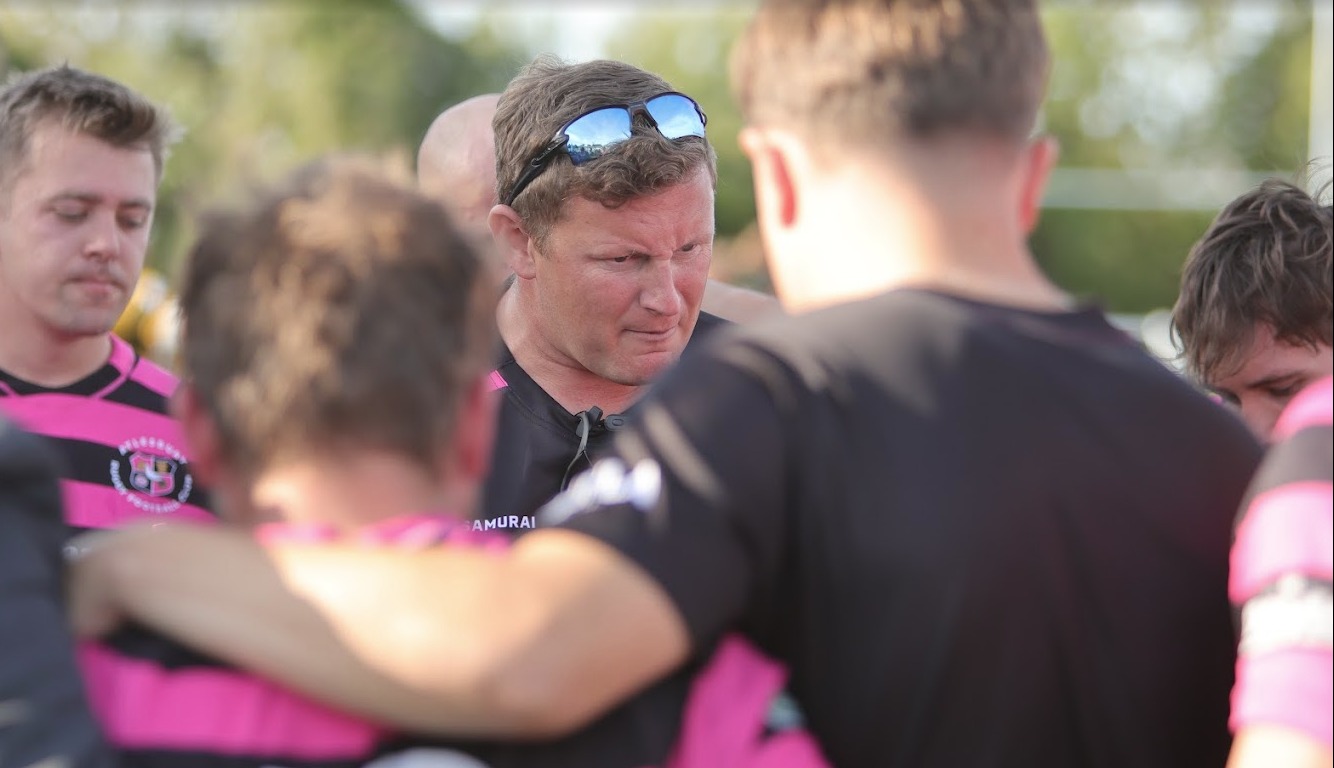
1. Lee, please tell us about your role as Head of Senior Rugby and what your responsibilities are?
As Head of Senior Rugby, my role is to oversee the rugby programme and create an environment where our players can develop, compete, and enjoy the beautiful game. That entails working with the coaching group, players and the executive committee to set high standards both on and off the field. Ensuring as a club we are supporting each individual’s growth as both a player and a person. Of course, that’s the official version — in reality, it also involves reminding the lads to update Spond, not to lose any training balls and to keep out of the physio room as the tape is expensive. But that’s all part of the fun!”
2. Tell us a bit about yourself Lee – stuff you think the fans will want to read, or maybe not?
Well, I’m an occasional coach, full-time herder of rugby players. Outside of rugby I work in the private education sector, but most weekends you’ll find me on the touchline trying to look like I know what I’m doing.
Members of the community might like to know I am currently the Head Coach of Norway Women’s Sevens and XVs who compete in the European Trophy and are part of the next Olympic qualification cycle. What they probably don’t want to know is that my boots are officially retired, my recovery time is now measured in weeks not hours, and my diet consists of more biscuits than protein shakes. So, in short — I love the game, love being part of this special club, and I’m just trying to keep the lads pointing in the right direction on the pitch… most of the time!
3. Can you share an example of a breakthrough moment you’ve had with a team?
One of the breakthrough moments for me since taking over at Aylesbury RFC was seeing how quickly the lads started to buy into what we’re trying to build. Early on in pre-season, we had a training session where things just clicked — the intensity lifted, the communication improved, and you could see the players really beginning to trust each other and the new system we have brought in. Our focus and attention early on were not about winning, it was about the team realising they were capable of setting higher standards together. Of course, I’d love to say it was all down to my genius coaching… but in reality, I think it was probably the promise of a pint afterwards that did the trick!
4. When did you start as our Head of Senior Rugby and what are your first impressions of our Club and the senior teams (strengths and weaknesses)?
I officially came on board as Head of Senior Rugby in May, and got stuck in straight away planning for pre-season, which kicked off in the first week of July. From the start I was working closely with Ben, our DoR, and we’ve built a really strong relationship that’s been central to getting things moving in the right direction.
My first impressions of the club have been really positive — there’s a real family feel here, a strong sense of community, and the senior lads have shown great commitment to training and buying into the programme. The big strength is the enthusiasm and work ethic across the group; everyone genuinely wants to improve and training numbers have been as high as 83 and as low as 52 - a fantastic start and the momentum has continued.
If I had to pick a weakness, it’s probably consistency in availability — making sure we hit those high standards every single week, not just when the mood is good or the weather’s nice! But that’s exactly what pre-season and the start of the league campaign has been about, and this new chapter is to: build that consistency so our strengths can really shine on the pitch.
5. How have you prepared for this role?
I’ve prepared for this role by getting stuck in early — as soon as I accepted in May, I began planning pre-season and working with Ben, our DoR, to make sure we were aligned on the direction we want to take the senior rugby programme. I’ve also spent time speaking with players and coaches to understand where we are now as a club, what’s working, and what needs developing.
For me, preparation has been about setting clear standards, building relationships, and creating an environment where the lads can perform and enjoy their rugby. And of course, I’ve also been brushing up on my patience, my organisational skills, and my ability to shut the bar until after training! 😊
6. Every coach has a vision for the way each of the teams they coach play – what is your vision for our teams?
My vision is to see us playing a brand of rugby that’s fast and free — the sort of rugby that gets supporters out of their seats. I want us to be ambitious with the ball, play with real pace, and give the lads the freedom to express themselves. Of course, it’s all built on solid foundations — fitness, discipline, and working hard for each other in defence. If we get those right, the exciting stuff comes naturally.
And, if we can keep it fast and free in the right direction — towards their try line, not ours — then I think we’ll all be smiling!
7. We talk about ‘a way of playing’ – what do you want our way of playing to be?
Most coaches come in with a fixed style of play and believe one method fits all. I’ve taken a different approach — I spent time watching footage from last season, looked closely at the group we have, and then used pre-season to really understand the talent in the squad. From there, I’ve put a system in place that suits the players we’ve got, rather than trying to force them into something that doesn’t fit.
I won’t go into too much detail, of course — I wouldn’t want to give away all our secrets to the opposition in the league. But what I can say is, our way of playing will be smart, fast, and tailored to the strengths of this group — and if we get it right, it’ll be great fun to watch too.
8. What’s more important to you, skills or values and why?
Both are important, but if I had to choose, I’d say values come first. Skills can be taught, improved, and refined — but values like commitment, respect, teamwork, and resilience are what make a team function and stay together under pressure. A player with incredible skills but no respect for the team or the game won’t take us far.
That said, when values are in place, skills flourish. Players are more willing to learn, trust each other on the pitch, and push themselves harder. So for me, values set the foundation — and with the right foundation, the rugby can be fast, free, and thrilling… and hopefully with fewer trips to the sin bin!
9. What are the key elements to delivering a great training session?
For me, a great training session is about planning, intensity, and engagement. Players should leave having learned something, pushed themselves, and enjoyed it — and if we can sneak in a bit of humour along the way, even better!
10. There has been fabulous turnout for senior training sessions since you started – how do we capitalise on the opportunity?
The turnout has been fantastic, and it’s a real opportunity to build momentum. To capitalise on it, we need to keep the sessions engaging, challenging, and enjoyable so players stay committed. It’s also about building culture — encouraging accountability, teamwork, and consistency, both on and off the pitch. If we get that right, the players will push each other in training, improve week by week, and that energy will translate into performances on match days.
11. What are the main challenges you face starting as a Head of Senior Rugby in a new Club?
Starting at a new club comes with a few challenges. The biggest is getting to know the players and understanding the culture — learning how the group works, what motivates them, and where we can improve. Another challenge is implementing a system and standards while making sure it fits the talent we have and doesn’t feel forced.
The key for me is to listen, observe, and build trust quickly, so the players buy into the vision and feel part of the process.
12. Do you shout from the touchline or save it to half time – what’s your approach to match day?
My approach to match day is about being clear, supportive, and focused. I try to give players guidance and encouragement during the game without overloading them — I want them to play instinctively and trust the training we’ve done. Half-time is where I focus on adjustments, refocusing the team, and making sure everyone knows exactly what we need to do for the second half.
13. How do the responsibilities play out between you and Ben, the Director of Rugby?
Ben and I work really closely — it’s a proper partnership. As Head of Senior Rugby, I focus on the day-to-day running of the senior squads: planning and delivering training sessions, developing players, looking at the player pathway transition from colts to seniors and implementing our style of play. Ben, as Director of Rugby, oversees the broader strategy for the club, and long-term planning across all age groups and is our voice on the exec committee.
We talk constantly, share ideas, and make decisions together to make sure the senior teams are supported while aligning with the wider vision of the club. It’s a good balance — I get to focus on the coaching and immediate team performance, and Ben makes sure we’re building for the future. And of course, we occasionally argue about who gets the last word… usually me, at least in theory! 😊
14. We are a grassroots community club – do you find it hard when we lose players to clubs that pay?
Of course, it’s always tough to lose players to clubs that can pay — nobody likes seeing talent leave. But that’s part of grassroots rugby, and it’s also a sign of the great development happening here. Our focus must be on building a culture and pathway where players want to stay, improve, and enjoy the game, not just chasing talent that might be tempted away.
I see it as an opportunity to give other players a chance to step up, develop, and shine, and to keep reinforcing why this club is special — the community, the camaraderie, and the love of rugby. The reality is, people come for the rugby but stay for the club, and that’s what we want to nurture.
15. How excited are you for the season ahead and why?
I’m incredibly excited for the season ahead. The lads have shown fantastic commitment in pre-season, the turnout for training has been brilliant, and there’s a real buzz around the club. I can see the potential in this squad, and I’m excited to see how our style of rugby — fast, free, and exciting — comes together on the pitch. We have started really well in the league in our opening two fixtures, putting in good performances and managed to field three very strong teams on each weekend. It’s also a season to build momentum, strengthen our team culture, and give the supporters plenty to cheer about.
16. If you could have dinner with any rugby player (past or present), who would it be and why?
If I could have dinner with any rugby player, I’d choose Jonathan Davies. Not only was he an incredible player on the field across both codes (Union & League), but his leadership, work ethic, and ability to inspire a team are things I really admire and try to emulate as a coach. I’d love to hear his stories, insights into big matches, and how he handled pressure at the top level.
17. Give us a message for the fans please Lee?
I just want to say a huge thank you for the amazing support you’ve shown the senior teams already — the turnout for the pre-season matches and two opening league games has been brilliant. We’re building something really exciting this season: fast, free, and entertaining rugby that I hope will get you off your seats and cheering every week. The players are committed, the coaches are working hard, and we can’t wait to see you continue this journey with us.
Most importantly, we want the club to feel like a community for all of us — players, coaches, and fans alike. So keep bringing your passion, your noise, and your good humour!
Richard Lawrance – Club Honorary Treasurer – Aylesbury Rugby Football Club
13 September 2025
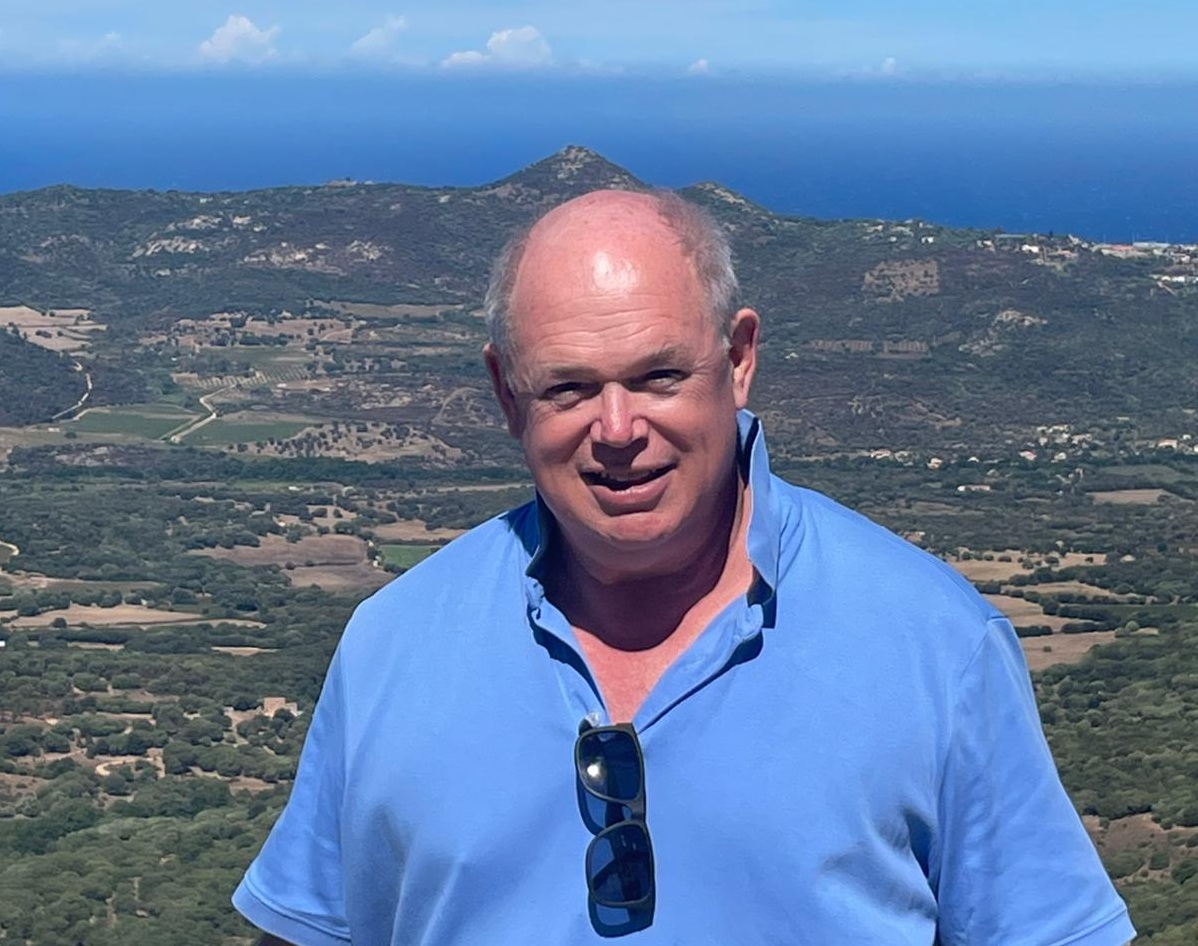
1. Can you tell us about your background and how you became involved with the rugby club Richard?
After 8 years in the Army, I got a job with Allied Breweries and spent the next twenty years mainly as an area manager running multiple retail sites. In 2011 I made my third career change and became a financial adviser. I joined the club in 2007 when, like many parents, I brought my son along to try mini rugby. Before long I was roped into helping coach the age group and stayed with them all the way through to colts.
2. So, what does the honorary treasurer do?
Essentially, I am the club’s finance director. As well as making sure all our suppliers and staff are paid on time, I manage the cashflow and report to the Exec on profit and loss and other key management information. I also liaise with our accountants, bookkeeper and bank.
3. How long have you served as honorary treasurer, and what qualifications do you need?
I’ve been treasurer for the last six years and I have no accountancy qualifications, nor do I think you need them to fill the role. I have benefitted though, enormously, from the training and experience I gained when working for Allied Breweries. Given the excellent support we have from our bookkeeper, Gavin Thomas and Wellers Accountants, I believe that anyone who has managed a business and has a reasonable understanding of profit and loss and cashflow could easily fill the role.
4. Can you walk us through a typical financial year for the club?
Two years ago, we re-aligned the club’s accounting year so that it now starts on 1st September and matches the playing season. We start off the year with a fairly low bank balance, but it grows rapidly as we collect membership fees and weekly turnover increases from home matches, so that by December we are usually sitting on a fairly comfortable cushion of cash. It is then a matter of managing that through the rest of the season and particularly the lean summer months until the cycle starts again.
5. What are the Club’s revenue streams as a percentage of total income?
Our current turnover is approximately £768k net of VAT. You may know that we have numerous income streams, but the four biggest contributors are:
- Hospitality - bar, catering , house lettings etc – 54% (Huge hat tip to Blair and the hospitality team!)
- Members subscriptions – 15%
- Sponsorship and advertising – 3.6%
- Classroom hire – 2.8%
6. How important are fundraising events and sponsorships to the club’s financial health and which of those are most notable?
They certainly both make an important contribution to the bottom line. In particular, the fireworks event, mini’s festival and summer touch rugby bring in significant extra revenue, which wouldn’t be possible without the hard work of all the volunteers that make them happen, so I’d like to say thank you for everything you do. As far as sponsorship is concerned, our sponsors and advertisers contribute a total of £28,000 per year to our bottom line which is a great help and we are very grateful for all your support. It would be remiss of me though if I didn’t give a special mention to Dayla for both their incredible financial support and everything else they do for us.
7. Are there any innovative approaches the club is taking to diversify its revenue streams?
I believe we really do “sweat the assets” at Aylesbury. If anybody visits the club during a weekday you will see all the activities that are going on; from the motorcycle training school to Next Phase Academy, functions and events in the clubhouse, even renting the car park to film production crews. As many of you know we are working with a local business consortium in a joint venture to build Padel Courts at ARFC where we will benefit from a profit share. This season we are also launching an Easyfundraising page; this is a way everyone can help raise funds for the club whenever you shop online, and best of all it costs you nothing!
8. How is the club’s income spent?
I’m pleased to say it’s all spent for benefit of our members, providing a great facility and everything we need to play rugby.
9. What value do we get for our subs?
It’s extremely good value. At the AGM I presented a breakdown of our expenditure which showed that on average for every £1.00 paid in membership subscriptions we spend £2.62 on rugby and the club facilities. This is only possible because of all the additional income streams I mentioned above.
10. What have been the biggest financial challenges for the club in recent years?
Undoubtedly the Covid 19 pandemic and recovering from it was a very difficult time. We had to close the club completely in March 2020 and lost a complete season and more in revenue. Whilst we received a lot of support in grants and payment holidays, it was certainly touch and go with no guarantee we would stay afloat. Fortunately we did, and we are now back to a strong financial position with our turnover up on pre covid levels.
11. How has the club adapted its finances in light of those challenges?
I think the biggest decision was taking advantage of the Winter Sports Survival Loan, which allowed us to build the extension and Rose Bar. Although this increased our borrowing, it has enabled us to grow our turnover through offering better and more flexible function facilities.
12. Could you share some financial achievements or initiatives you’re particularly proud of?
We work as a team on the Exec and ideas come from everyone, but for my own part, appointing Wellers Accountants has been crucial to ensuring business resilience, continuity and succession planning for the role of treasurer! In addition, I have introduced management information reporting for the Exec which supports decision making and planning for the future.
13. What are your main financial goals for the club in the coming years?
Most importantly, growing our profits so that we can pay off our bank loans ahead of schedule; we have set a target of achieving this in the next five years. Once we have done this we would like to accumulate a strategic reserve to underpin our financial stability and then we can start using our surplus profits to provide additional benefits for the members.
14. How do you communicate financial matters and decisions to club members?
Full annual accounts are circulated to members every year with the calling notice for the AGM and a reduced version is filed with Companies House. Every month we publish the current bank balances with the minutes of the Exec meeting. (Editor's note: All these documents can be found here)
15. What do you enjoy most about your role as honorary treasurer?
It’s really great working with a fantastic team of friends on the Exec, but I also get real satisfaction from knowing that I am helping to guide the club to a prosperous future where rugby will continue to be played for many years to come.
16. What advice would you give to someone interested in taking on a similar role?
Have a go! You will find it incredibly rewarding.
Beth Anker - U18 Girls Captain - Aylesbury Rugby Football Club
8 September 2025
1. What does it mean to you to be U18s Captain this season?
We’ve got an awesome group of players and I can’t wait for the season to start. It’s a great feeling to get to be the one to lead the team, and so far, I’m really enjoying some of the responsibilities that come with the role.
2. What are your goals for the team this year, on and off the pitch?
I think on the pitch we really want to find our way of playing, it can be difficult with age groups meaning we’ve a different group of girls every year, but we’ve got talented players so I’m not excited to see what playing is going to look like. Off the pitch: I think mainly just having fun! For all of the girls in the older year this is our last year playing age grade rugby and a lot of us might not be local to play for Aylesbury next season, so I think we just want to make most of the time we’ve got.
3. What makes your squad unique?
We’ve got a lot of friendships throughout the team, some that have lasted years, that gives the team a really strong bond.
4. Who’s the unsung hero in the team and why?
I think it has to be the managers (Dan last season and Joel this season.) There’s a lot of work behind the scenes that needs to happen so we get to play enjoy the season.
5. What advice would you give to new players joining the squad?
Just come along and get involved! It’s a really friendly and welcoming environment and we’d love to see new faces, whether you’re new to rugby or are coming from a different club. Don’t be afraid to ask questions or make mistakes! I promise we’ve all been there.
6. What game or moment are you most looking forward to this season?
It has to be our first league match against Chinnor. It’s always kind of been a grudge match for us, and it’s going to be under the flood lights. I know there’s going to be a good atmosphere.
7. Describe the team’s culture in three words.
Friendly; competitive; fun.
8. Do you have any team pre-match rituals?
Not yet! I’m sure we’ll develop some as the season goes.
9. What makes Aylesbury Rugby Football Club feel like home to you?
There’s a great community around all of the teams. Especially in the women and girls’ section, there’s support all up the age groups. Everyone can learn from each other and we’re all better for it.
10. What message would you like to share with supporters and the rugby community?
Just stay involved! Whether that be through playing, watching, reffing or coaching!
Derek Spence – Club Honorary Secretary – Aylesbury Rugby Football Club
2 September 2025
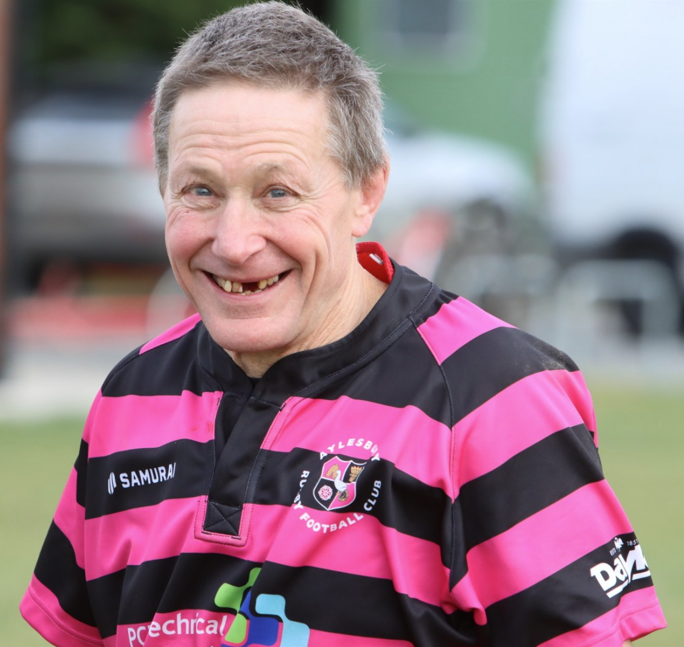
1. Can you tell us about your role as the Honorary Secretary and what your main responsibilities are?
If there’s a form, letter or signature needed, it usually finds its way to me. Paperwork comes at me from every direction — the RFU, County, local and national government, insurance companies… you name it. If it needs reading, writing, or rubber-stamping, it ends up with the secretary. I also manage the monthly committee meetings and the AGM. My least favourite duties are those of Club disciplinary secretary
2. How long have you been a member of the club and how long have you been the Secretary?
I started playing Rugby in my hometown of Upper Hutt, New Zealand at age 5 and have lived and played Rugby in Kent (playing for Sevenoaks), The Netherlands (Leiden), Surrey (Warlingham) and Greece (Athens Spartans). I joined ARFC in 1996 and was talked into helping out Graham “Bert” Roberts (the previous secretary) in 2000. Unfortunately, dear Bert died shortly afterwards, and I was left holding the club stamp! In truth, I saw it as an opportunity to give back to the game I love. Though I never envisaged I’ll still be secretary 25 years later.
3. Wow that is a long time – what are the most memorable moments, changes and events you have seen in during those years – there must be several?
Where to start! When I first arrived, we still had the old communal baths. A lot has changed since then. Personal highlights? Playing alongside some absolute legends: Gary Pearce, Mark Rose, George Charlier, Ivan Dmytrenko — the list goes on. Playing in a game to celebrate my fiftieth season is up there too. But really, the biggest highlight has been seeing the Club grow and knowing I’ve played a small part in that journey.
4. How has the club evolved during your tenure?
In almost every way — except the ones that matter most. Despite leagues, professionalism and the distractions of modern life, ARFC has stayed true to being a proud, amateur, community club. We don’t pay players, we promote rugby’s values, and our minis and juniors remain the lifeblood of the place. Every spare penny goes back into the Club.
That said, the physical changes have been huge. In the past 25 years, we’ve bought the ANZAC field (great name but not named by me!), upgraded the clubhouse, built a state-of-the-art gym, developed the Rose Bar and Games Room, cleared a new car park, and were the very first club to benefit from the RFU’s AGP programme. None of this happened by accident — it’s down to decades of good decisions by volunteers who care deeply about rugby and this Club.
5. What are some of the biggest challenges you now face in managing club operations?
Growth. We’ve expanded in membership, facilities and business footprint, which means more complexity — and yes, more bureaucracy. The smartest move we made was bringing Blair on board as General Manager. Another “good decision” that’s taken a lot of weight off the committee’s shoulders.
6. What role does the rugby club play within the wider local community?
First and foremost, we’re here to deliver rugby to as many people as possible — and I think we do that pretty well. But the Club has become much more than that. Our facilities are used by groups from U3A to the local Neuro Centre, Bucks CC and for the Eid celebrations. We host everything from grassroots sport to alternative education programmes through our partnership with Next Phase. One example that was personal to me, was during the time when a large number of Ukrainian refugees came to Aylesbury. The Club hosted a “free” shop where clothes and other essentials were donated for our Ukrainian guests. The way I see it, the Club should be a hub — and we’re always looking for new ways to open our doors wider.
7. How do you balance tradition with innovation in club activities and governance?
I don’t think this has ever been an issue. We’re fiercely proud of our amateur community roots, and our ex-players keep us grounded in tradition. No one (I hope!) can accuse us of not innovating – just look around.
8. Do you think we can improve the AGMs so we spend more time celebrating successes?
I’d love to say yes, but truthfully, AGMs are stressful for the committee. Our main goal is to survive them — quickly!
9. What did you do to win the RFU’s 2024 Honda Volunteer of the Year Awards and how did that feel?
I’m not sure we did anything extraordinary. The award really reflects the RFU’s regard for ARFC as a whole. Paul and I were honoured just to be nominated, and at the ceremony, we were surrounded by so many people with amazing stories of their own. We were genuinely surprised — and humbled — to win.
10. What advice would you give to someone considering taking on a similar role in a sports club?
Make sure you are part of a strong, committed team — it makes all the difference.
11. Is it true you still play rugby?
Well, I played last year! My 63rd season. (Strictly, my 64th, because I had two seasons the year I moved from NZ!). You might know that I am a bit of an endurance event addict. I have run marathons, Ironman races, run across the Sahara (3 times) and have rowed across the Atlantic. Next January, I am attempting to run seven marathons in seven days on seven continents. Raising money for Thames Valley Air Ambulance. So I will probably steer clear of the Rugby field until after I finish my latest madness!
12. Are there any upcoming events or goals you’re particularly excited about?
Every new season feels exciting, but the big one on the horizon is ARFC’s centenary in 2031. That’ll be a celebration to remember — and one we’ll need to start planning properly soon!
13. What have we forgotten to ask you and what is the answer to that?
Probably something important — but I’ve said enough already!
Future Leaders: A Q&A with Colts Captain Mylo Davis
Future Leaders: A Q&A with Colts Captain Mylo Davis
With a new season just around the corner, we spoke to Colts Captain Mylo Davis about what it means to lead the U18 squad, his vision for the team, and what makes playing for Aylesbury Rugby Football Club so special. Passionate, determined, and full of heart, this is grassroots rugby at its best.
- What does it mean to you to be Colts Captain this season?
It means a lot. Being named captain makes me feel like a valued and important part of the team. It’s given me a more positive and confident mindset, both about myself and the squad, and I can’t wait to lead the lads into what I hope will be a fantastic season of rugby.
- What are your goals for the team this year, on and off the pitch?
My main goal is for us to become a physical, dominant force in both defence and attack. I want us to be known across both leagues we’re competing in for our strong, fast, and cohesive rugby. Off the pitch, I’d love to see the squad grow even closer, as teammates, but also as mates. That kind of bond makes all the difference.
- What makes your squad unique?
It’s the heart. Last season was tough for both the U18s and U17s, but everyone kept showing up, gave their all, and threw themselves into every challenge. Through all of it, the boys stayed positive and kept enjoying the game. That resilience and love for rugby is what makes us stand out.
- Who’s the unsung hero in the team and why?
That has to be Dukesy. He puts in so much effort behind the scenes, organising training, fixtures, and fun stuff like the tours. He’s always there for us, whether it’s coaching, supporting, or just making sure things are moving in the right direction. He never asks for thanks but deserves loads of it.
- What advice would you give to new players joining the squad?
Be confident, be excited, and don’t be afraid to speak to new people. We’ve all been the new face in the squad at some point, and having the courage to get stuck in helps you grow, not just as a player but as a person. That energy builds the friendships and inclusive vibe we’re proud of in the Colts.
- What game or moment are you most looking forward to this season?
The Hertfordshire league games. We’ll be facing unfamiliar teams and fresh opposition, which is a great chance for us to challenge ourselves, bond more as a team, and play some of our best rugby. It’s a real test, and one we’re up for.
- Describe the team’s culture in three words.
- Optimistic
- Determined
- Relentless
- Do you have any team pre-match rituals?
We always huddle up in the changing room before we go out. We take a moment to look around and connect with each other, to remind ourselves that we’re not just playing for ourselves, but for each other and the club. Then we finish with a big “A’s on three!” before heading out to give it everything.
- What makes Aylesbury Rugby Football Club feel like home to you?
It’s the people. Everyone here, from the juniors to the seniors is supportive, approachable, and genuinely wants the best for each other. Even when I’m not playing, I’m excited to be at the club. It’s a fun, happy, welcoming place, and it feels like a privilege to be part of it.
- What message would you like to share with supporters and the rugby community?
Rugby isn’t just about the final score. It’s the memories and friendships you make along the way that make it so special. We’re proud to play in front of our supporters, and we’re always grateful to those who come and cheer us on.
That’s The A’s Way.
📍 Keep an eye on the Colts this season, they’re going places.
🖤💗 #AylesburyRugby #MagentaAndBlack #COYAs #ColtsRugby #FutureOfARFC
Johanna Saar - Women's Club Captain - Aylesbury Rugby Football Club
11 August 2025
.jpg)
Leading with Heart: A Q&A with Women’s Club Captain Johanna Saar - As the Aylesbury Women prepare for their first season in NC2 with two full squads, we caught up with their Club Captain Johanna Saar to hear about her goals, what makes the team tick, and why this group of women is one to watch.
1. What does it mean to you to be Women’s Club Captain this season?
It’s a huge honour to captain this amazing bunch of women—especially after earning promotion to NC2. The team is going from strength to strength, and I feel privileged to be trusted with this role for another season.
2. What are your goals for the team this year—on and off the pitch?
On the pitch: keep playing rugby the Aylesbury Way and build on what we already do well.
Off the pitch: focus on conditioning and team building, especially with so many new players joining us this season.
3. What makes your squad unique?
Respect, unity, and shared purpose. We’re all here to enjoy rugby. No one person carries the team, and no one gets blamed when things go wrong—we win together, lose together, and support each other no matter what.
4. Who’s the unsung hero in the team and why?
That’s the beauty of this team—everyone brings something to the table, and we complement each other really well. But let’s just say… watch out for the quiet ones!
5. What advice would you give to new players joining the squad?
Just get stuck in! The squad is incredibly welcoming. And now, with two teams for the first time, there’s a position and a pathway for everyone.
6. What game or moment are you most looking forward to this season?
That first game—and that first win!
I also love the end-of-season reflection: sitting down as a group to celebrate what went well, what can improve, and how we can keep building.
7. Describe the team’s culture in three words.
- Respect
- Inclusivity
- Kindness
8. What’s your pre-match ritual or go-to hype song?
I always have the same breakfast: eggs and avocado on sourdough, with two black coffees.
Music-wise, it’s usually something heavy—Bring Me the Horizon or Electric Callboy never fail to get me in the zone for contact!
9. What makes Aylesbury Rugby Football Club feel like home?
It’s the people. The atmosphere is so welcoming, and we’ve built a culture where everyone just gets on. It’s like a happy, slightly chaotic family!
10. What message would you like to share with supporters and the wider rugby community?
To our supporters—thank you! Your energy on match day is a massive part of our success.
To the wider rugby community… watch this space.
Ben Tominey - Director of Rugby - Aylesbury Rugby Football Club
4 August 2025
1. How long have you been Director of Rugby (DoR) Ben?
I have been a member of Aylesbury Rugby Football Club for the last thirteen years and Director of Rugby for the last two, having taken over from my predecessor in the role at the end of the 2022 season.
Previously, I have been ARFC Men’s 1st XV Manager and a Coach at the club in all age groups from U8s through to the U16s.
Over the last 40 years, I have played rugby at various levels and in numerous locations all over the world, until my retirement from playing last year.
2. How does it feel to be Director of Rugby of our great Club?
I am very honoured to have been asked to fulfil the role of DOR at Aylesbury RFC by the Executive Committee (on which I now sit). The club has a proud history and I am delighted to continue to help drive the club forward.
I am hugely passionate about the game of rugby and I am keen to make sure that we continue to encourage participation in the sport at all levels and for everyone.
3. What does the Director of Rugby do?
Amongst many other things, the key role as DOR at Aylesbury RFC is to set the tone and direction of the club at all levels. Working with our new Head of Senior Rugby and all our superb volunteer Age Grade Coaches to make sure that we have consistency of coaching, that all individuals and players are fully supported, have the right and appropriate qualifications, and that we all share the same approach to the promotion of the game.
It is also a large part of my role to liaise with our Fixture Secretaries and Team Managers to ensure that we have plenty of rugby versus appropriate opposition throughout the pre and playing season..
4. Which of those tasks are your top priorities?
Encouraging participation at all levels is absolutely critical for the continued success of the club and the sport going forward. We need to ensure that ARFC is the first choice for people in Aylesbury and the surrounding areas to come to play rugby.
With the amazing facilities that we have at our disposal, thanks to the work of the Exec Committee and our volunteers over the last few years, I see no reason why we cannot continue to maintain and enhance our rugby offering.
We must also continue to develop the talent that we have at the club in all age groups. When I look at the hundreds of youngsters turning up for training in all weathers on a Sunday morning, I want all those involved to continue on their rugby journey and to aspire to play for one of the senior teams in the future.
5. Please share with us 2 things that you do as part of your role that will surprise us all?
I’m not sure ‘surprise’ is the right word, but as well as my responsibilities as DOR, I also chair the club medical team. We are very lucky to have such a fantastic team of professionals (led by Lauren Paya), who look after all our players on and off the pitch, providing evening clinics and match-day medical cover throughout the season.
I am also the unofficial ‘club equipment officer’, ensuring that we always have the right kit, from balls (which mysteriously seem to disappear like coins down the back of a sofa) to pads, tackle shields, medical gear and the rest of the kit that goes with training and playing the game.
6. What do you think is the ‘Aylesbury way’ and why?
The ‘Aylesbury Way’ was formulated by my predecessor and I have seen no reason to change the overall club ethos of ‘Fun, Family and Fair Play’ since my time in the role.
Whilst Rugby is a hugely competitive game (especially at our Senior Men’s and Women’s levels), it should still be fun, both on and off the pitch. It is my intention to keep it that way for everyone in the future.
At its heart ARFC is a family club, we encourage participation at every level, whether that be playing as a mini / junior or senior, coaching, officiating, supporting and volunteering in the variety of roles available. I would like ARFC to continue to grow as a key community hub in the Aylesbury area.
‘Fair Play’ for me lies at the core of the game. We should always play hard and to win, but we must always respect our opposition and the match officials; “win with dignity and lose with good grace”, always.
7. How does that translate into team plans?
A key technical aim of The Aylesbury Way is: “To develop a thinking player that is capable of being adaptable to the play situation in front of them, being robust (fit) and capable of creativity with the application of the core skills, whilst applying the principles of play throughout.”
To achieve this, we must recognise the type of players we have at ARFC; the general trend of the club over the last few years is that we do not tend to see ‘giant’ players in terms of size /weight, and this continues to be the case today.
Therefore, we must focus our training plans and player development strategies on utilising the skill sets that we have to hand. Our player base tends to be smaller, faster and more mobile in general and so we should concentrate our game play philosophy around that.
I would like to see a ‘fast pace’ game in all playing groups, where we use our inherent skills (developed through bespoke training plans and individual/group coaching) to our best possible advantage. This philosophy naturally requires a very high level of fitness and I would encourage every player to maximise their fitness and mindset in order to meet the demands of the style of rugby that we aim to play at ARFC.
8. How would you summarise last season for the senior men and women’s teams?
Ultimately, it was a very difficult and frustrating season for the senior men, but what I did admire was the effort and the tightness of the group of players we had, especially towards the end of the season, when things were not going our way for a number of reasons.
The Senior women have achieved amazing things in the 2024 to 2025 season. To gain promotion to NC2 level is a testament to all the hard work undertaken last season. To go into the 2025 to 2026 season with the Women's 1st Team in NC2 and the 2nd Team in the Inner Warrior series is a very exciting place to be.
9. I believe it was you Ben who led on recruiting a new Head Coach – tell us a little about that process?
That is correct, following the departure of James (Buckland), to whom we owe a vote of thanks, we undertook a recruitment process through Sport England and various other specialist online sites, as well as our own website and social media outlets.
In total, we had fourteen applications for the role, some were ‘speculative’ (particularly one interesting application written entirely in Spanish from a gentleman in Argentina), but ultimately we narrowed the interview process down to four extremely good applicants.
Lee Irvine stood out in those interviews, with an admirable personal history of playing and coaching, an obvious passion for the game, a very clear idea of the direction that Aylesbury RFC should be travelling and values that match my own regarding player participation. I am absolutely delighted to be working with Lee and I am very excited about the immediate and long-term future of the club.
10. How is morale amongst the men and women senior players this season?
The start to pre-season training this year has been exceptional. We have seen really encouraging numbers at pre-season Senior Men’s Training on Tuesdays and Thursdays in the week, with a number of returning and new players joining our existing squads.
Similarly, our women have seen a really positive start to pre-season training. The mood is good amongst players. Lee has made a great first impression, and pre-season training plans have been well received and well attended. I think everyone is looking forward to the start of a new competitive season.
11. What are their greatest wants and needs?
Ultimately, our players are keen to get match time on the field. Whilst this might seem obvious, due to the current situation in the game this is not always possible, as other clubs often struggle to field multiple sides regularly, which has a knock-on effect on our teams.
With this in mind, we have made a huge effort to schedule as many fixtures as we can across the leagues for our Senior Men and Women. We will put out three Men’s teams, two Women’s teams, and our Colts will compete in two different leagues this season.
12. Is it realistic to hope that the 1st XV Men follow the Women and get promotion in the coming season?
Our clear and stated goal for the 1st XV Men’s team this season is to rebuild and target a mid to high position finish in the Level 6 Regional Thames 2 Division. Our longer-term goal is to achieve promotion from Level 6 to Level 5 Rugby; however, this will take time and considerable effort to achieve, in what is generally considered to be the most competitive RFU league at this level.
13. Talk to me about how proud you are of the way the women’s and girl’s game has progressed at our Club?
I am hugely proud of the progress made in the Women’s and Girls’ sections to date. Gaz, Shelley & the team have made brilliant progress at the senior levels, seeing our 1st XV Women’s team promoted to NC2 level and forming a new team for the RFU Inner Warrior Series.
In the Junior levels, participation has been excellent to date. I am particularly pleased with the number of girls playing across all age groups. A big shout needs to go out to Dan Lock for all his hard work, not only with ARFC, but also across the county to encourage age-grade participation for girls at all levels.
14. Talk to me about the Colts – what’s happening there?
I am firmly of the mind that any Colts group will be critical to the success of ARFC going forward. Due to our location within the county, with multiple clubs available to choose from, we often struggle to recruit new senior players from external areas. Therefore, we must grow the talent that we have through our Mini, Junior and Colts sections for the future.
To this end, we have taken the decision to appoint David Mason as Colts Head Coach this season (with his coaching team from last year’s Under 16’s section). Dave and his team bring a great deal of knowledge of this large group from last season and this team will take over from Jason Devlin, who I would like to thank for his efforts over the last period.
The Colts group are currently training with the Senior Men on a Tuesday and Thursday evening to ensure that everyone is following the same game management plan and philosophy.
We have also taken the decision to enrol the Colts into two leagues for the coming season (Ox / Beds & Bucks as well as Herts / Middx) in order to ensure that the group has plenty of fixtures ahead.
15. Does the director of Rugby have anything to do with the Juniors and Minis?
Yes, I have involvement with the Minis & Juniors. We are incredibly lucky to have Paul Andrews in place as the Chairman of Youth Rugby. Paul’s dedication to the task is second-to-none and we have a brilliant team of coaches / managers and helpers in every age group. I try to get down to the club as often as I can to engage with the Junior and Mini sections, offering encouragement and advice wherever I can.
16. How closely do you have to work with the RFU and also Bucks Rugby and what does that entail?
I am in regular communication with the RFU via GMS and also through personal connections, in order to keep up with the latest thinking and knowledge in the game. This is particularly important to keep up-to-date with available training courses for our coaches and managers throughout the season.
17. What is your greatest frustration and the biggest joy in your role?
My biggest frustration is player communication (or the lack of it on some occasions). In order to run the number of teams that we do across every level, each player must take individual responsibility to inform us of their availability and fitness on a weekly basis. We have the communication method in place (via Spond), it takes thirty seconds to review and reply to an announcement, so please make it easier on us all by playing your part.
Biggest joy - I would be telling porkies if I didn’t say winning! I have been involved in competitive sport throughout my life (playing and coaching) and I have always been in it to win.
However, it is massively important to me that we all play with a sense of pride in ourselves / our team and our club (win or lose). We all represent Aylesbury RFC in everything we do (on and off the field) and each of us should strive to live up to the history and ethos of Aylesbury Rugby Football Club: FUN / FAMILY & FAIRPLAY
Alex Shearer - Men's Club Captain - Aylesbury Rugby Football Club
28 July 25
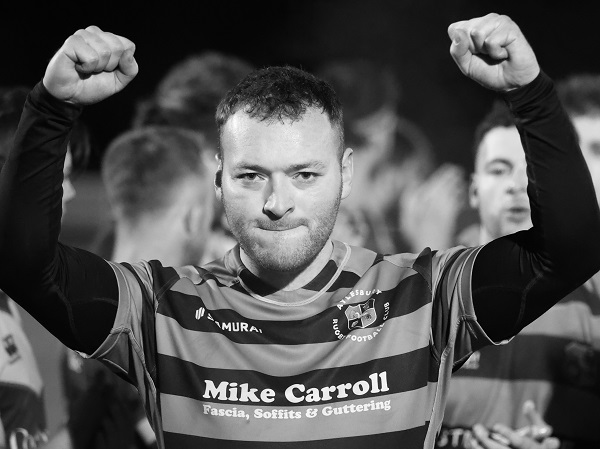
1. What does it mean to you to be Men’s Club Captain this season?
It’s been a genuine pleasure to captain ARFC over the past two seasons. This role is something I’ve aspired to since making my 1st XV debut at 16, looking up to a number of incredible captains who led the club before me. Being asked to continue into a third year, especially during such a period of positive change means a lot.
I’m excited to work alongside Lee Irvine and support the new era we’re building here at the club. My hope is to lead by example, inspire the next generation of Aylesbury players, and help shape the future leader who’ll one day take on this role.
2. What are your goals for the team this year, on and off the pitch?
First and foremost, I want us to fall back in love with playing the game. We all pay to be here, whether we’re on the pitch or on the sidelines, and that passion should be at the heart of everything we do. That means getting as many players as possible involved, fielding three full sides again, and creating a buzz around the club every weekend.
3. What makes your squad unique?
We might not have the biggest, strongest, or fastest individuals in what will be a highly competitive league, but what we do have is unity. Aylesbury plays as one team. Every player knows their role and trusts the man beside them. That cohesion has delivered a consistently high try count in recent seasons, and it’s something we pride ourselves on.
4. Who’s your unsung hero?
Will Parker. Since joining ARFC, Will has fully embraced our culture and become one of the most dependable players on the team. He doesn’t always get the accolades, but he’s a quiet leader. always listening, learning, and delivering week in, week out. Whether it’s carrying hard into much bigger players or making every tackle, Will is the kind of flanker every team dreams of.
5. What advice would you give to new players joining the squad?
Be excited, and don’t put it off. This is the perfect time to get involved. We’ve already got top-class facilities, a brilliant club culture, and amazing people behind the scenes. But this season, we’re pushing things even further. Get stuck in and you won’t look back.
6. What game are you most looking forward to?
Week one, no question. Our opening home game is against local rivals Beaconsfield; a team we’ve had some intense but respectful battles with over the years. It’ll be a great test for the squad, and a chance to show how hard we’ve worked in pre-season. With a packed-out Ostlers Field behind us, it’s set to be a cracking start to the year.
7. Describe the team’s culture in three words.
- United
- Resilient
- Focused
8. What’s your pre-match ritual or go-to hype song?
I wouldn’t say I have a go-to song, but I’m always one of the first to arrive on game day. Partly because I’m too impatient to sit around at home, but mostly because I need a good 30 minutes to stretch out my old man hamstrings! It’s all part of getting in the right headspace and making sure I’m ready to slot those crucial points off the tee.
9. What makes Aylesbury Rugby Football Club feel like home?
It’s that sense of belonging. I didn’t pick up a rugby ball until I was 15, but from the moment a mate brought me down to ARFC, I was hooked. The culture, the people, the family feel, win or lose, once you’re back in the clubhouse, surrounded by teammates and supporters, all the stresses of everyday life seem to disappear. That’s something really special.
10. Any final message to the supporters and wider rugby community?
Get ready, this season is going to be something special. We’ve made big changes to inject fresh energy into the teams, but at its heart, Aylesbury will always stay true to the values and culture that make this club so unique. We can’t wait to have you with us for the journey.
Paul Milham - Chair - Aylesbury Rugby Football Club
23 July 25

1. How long have you been on the exec and how long have you been the Chair Paul?
I’ve been a member of the club since 2007 and I joined the Exec around 2012 when I took on the role of Youth Chair. I stayed on the Exec in that role until I became Chair in 2017 so I make that 13 years in total and am now entering my 8th as Chair.
2. How do you feel about that?
Privileged. To be allowed and able to be part of the committee that’s guided and driven the best grassroots club in the country club forward over all those years is an honour.
3. What do you think are your top 3 achievements to date?
One has to be building a team around me made up of people who feel as passionately about the club as I do and who are all willing to commit the same, if not more, time, effort, energy and skills to making our club the best it can be. Another has to be the gym. We are a genuine amateur grass roots rugby club. We do not pay players, and as long as I get the final say on it, we won’t until we reach a level where it’s legitimate to do so. So it was clear from early on, that to compete with clubs that were/are paying, we would have to make our facility as attractive as it can possibly be. The RFU AGP was a significant help with that, and a state of the art gym seemed like the obvious next step (at the time we had a mixture of old kit under the stand that was used only by the most committed players), so Derek and I took it on as a project. We completed the build and fit out at the end of 2019 and pretty much a day after we opened it, we had to close it because of COVID. I’m pleased to say that since reopening, it has been a real benefit to members from the Colts, right up to the Old Farts. We are both incredibly proud of the gym - though obviously neither of us have been near it since. The third should probably be the next project Derek and I took on, which saw us manage the design and construction of the two storey extension that houses the Rose Bar, Members Lounge and balcony, but in truth, I think that’s more symbolic of the way we have constantly developed our whole facility to the point that it’s probably one of the best grassroots facilities in the country and in doing so, we’ve attracted some really prestigious events, including an England U18s fixture, hosting the Continental Tyres Schools Cup Semi Finals for the RFU (just confirmed for a third time next year), and an England Vets game alongside Mike Tindal, Alex Payne and James Haskell from The Good, the Bad and the Rugby. You can’t buy the kind of awareness and prestige these events lend to a club like ours.
4. Any regrets over all those years?
Plenty. I’ve never run a rugby club before and I’ve made a ton of mistakes. The problem with this position, is that (as with all the Exec), it’s a volunteer role and that means you do it in your spare time. With my own business to run and a family (who don’t begrudge me a moment I give to the club), this only leaves so many hours in a day, and the reality is that it’s not enough - however hard you try. So you prioritise and inevitably you get the priorities wrong sometimes.
5. How would you summarise last season for the senior men and women’s teams?
For the men - difficult, testing, character building and galvanising. For the women - strategic, developmental, successful and rewarding.
6. I guess many members want me to ask why we have changed Head Coach?
For the reasons this usually happens in every sport. Bucky has been a great servant to our club, not just this time round (both on and off the pitch), but also in previous spells at the club - but the fact is that nothing is forever. Eventually things stop working as well as they once had and expectations and opinions change. If you can’t repair and marry those things back up then something has to give and I made the decision that we should part company with James as Head of Rugby. James is a good friend, so this was difficult to do, but it is what it is. James is still around the club running his Next Phase Academy and we wish him continued success with that.
7. Tell me about Lee and how he is settling in?
Our new Head of Rugby, Lee Irvine is now fully on board and has had a very real positive impact in the short space of time he’s been with us. His presentation at the first pre-season session left no one in any doubt about how invested he is in this role. The level of research he’s done on our teams is astonishing and the way he used that research in his presentation was inspiring. Training numbers since then have been incredible. I think we’re in for an enjoyable season.
8. You must be so proud of the progression of the Women’s section – not surprising Gaz Williams received Club Person of the Year?
Gaz is amazing! The energy, knowledge and enthusiasm he brings to every aspect of running a team is the reason the women have recruited to a level that they not only achieved promotion this year, they have also established a second team for the new season. The women’s section is a total success story and long may it continue to be so. I’ll also tip a nod to Dan Lock who is doing some incredible work for Girls’ Rugby not just at Aylesbury but across the county through his Bucks Girls Rugby Charity. We really are in good shape to benefit and build on the Women’s World Cup that’s just around the corner.
9. Some good performances in the junior section in 24/25 – let me remind us all:
- U18 Girls - Bucks Invitational League Silver Cup Winners
- U16 Boys - Bucks Plate Finalists
- U15 Boys - Bucks Cup Semi-finalists
- U14 Boys - Bucks Cup Semi-finalists
- U14 Girls - Bucks Invitational League Gold Cup Winners. Undefeated all season.
- ATL U14 Girls (Aylesbury, Tring and Leighton Buzzard) Woodys Rugby Festival – Winners
- ATL U12 Girls (Aylesbury, Tring and Leighton Buzzard) Woodys Rugby Festival – Winners
How important are the junior and minis sections?
Critical! We don’t have a university in Aylesbury. We don’t have a Premiership Rugby Club in Aylesbury. We don’t pay players. For all of those reasons - we have to grow our own! Nothing makes me prouder than when I look at a senior match programme and see the Asterix next to a player’s name indicating that they are a graduate of our Minis and Juniors. We are incredibly fortunate to have in Paul Andrews, our Youth Chairman, who takes the role seriously and ensures our M&Js enjoy equal standing to our Senior sections.
10. It has been great seeing the Clubhouse extension in use this last season – what is left to do?
There’s a few tweaks to make it all flow a little better, so there’s a set of double doors being installed between the snug and what’s become known as the Games Room, and we will shortly be unveiling the honours boards for those that so generously donated to both of the fundraisers. The next big task is getting all the club memorabilia tidied up and reframed and back up on show where it belongs. This all got taken down years ago when the big club refurb was done and it’s time it was back on display.
11. What improvements do you see to the facilities over the next 5 years?
I think it’s more about upkeep now. We have no big new projects on the horizon, but we do need to ensure that the changing rooms and stand all match up to the quality look and feel of the rest of the facility. The car park will probably be the next big initiative and we’ll look to start fundraising for that in the short to medium term, but that will be an eye watering amount of money if we do it properly and I don’t think it’s worth doing it any other way.
12. Why do you think, when many clubs are struggling, our membership continues to grow?
Again - I think the facility does really help, but so does having an army of volunteer coaches and managers that take their roles and responsibilities very seriously and at the same time, make rugby fun for every single player that joins. We are a completely inclusive club and have been for long before it was what we were told to be, because we have seen the benefit over many years of giving every player a chance and to grow and improve at their own speed while doing it with a smile on their face.
13. The RFU have not covered themselves in glory again this season – what is our Club’s position on all this malarky?
I have to be very careful here. As a club - we have a superb relationship with the RFU and have benefited from them in so many ways over many, many years. I am not anti RFU! Quite the opposite. All that said - I don’t believe that should preclude me from being critical where I believe it’s justified. I have had an issue with some of the direction of the RFU since they made redundant most of the CRCs and RDOs several years ago. We are a minority sport and unless you’re from a rugby family, you probably won’t have a positive opinion about rugby, if you even have one at all. So to remove the brilliant men and women that were going into schools and introducing the game to a whole new audience via Tag Rugby, seemed to me to be madness. Since then, the support for grassroots rugby has reduced to a point that we’ve started to feel disconnected. The poor delivery of the widely unpopular new tackle height law felt like a low blow and for many, was the last straw. The fallout from that has seen questions being raised at the top end of the sport and there are now reviews being carried out to see how we can be better heard. Watch this space . . .
14. I am not suggesting we do a full SWOT as we don’t have the time but can you share what you believe are the Club’s biggest threats and opportunities in the medium and long term?
The biggest threat is the one that faces everyone currently - costs. We do everything we can to keep costs down for our members and we do a good job, but it is becoming increasingly difficult. As you’ll see if you come down to the club when there’s no rugby activity - there will be some sort of activity because we sweat the asset for all it’s worth so we can continue investing in rugby. The opportunities are, as always, the ones we make for ourselves. So we will continue to try and attract national and international rugby fixtures. We will also do everything we can to attract more sponsors to the club as they are really valued. We’ll keep improving our facility and building our recruitment (particularly off the back of a home World Cup), so we become the club of choice beyond the Aylesbury Vale, and those are really the priorities without going into fine detail. At the end of the day, we’re a rugby club and everything we do must support that.


.jpeg?v=639176313571949816)
.jpeg?v=639081585811190541)

